
How To: Revive Sourdough Starter

Don’t throw away that neglected starter sitting in your fridge, revive your sourdough starter and bring it back to bubbly, active life with this simple feeding schedule and troubleshooting guide. Even starters forgotten for months can be brought back from the brink.


Master Your Sourdough Starter In 5 Days!
From Confused To Confident.
Find success with 5 simple, actionable secrets delivered to you. No more guessing games – just clear, proven steps to a thriving starter.
Jump to:
Watch Me Revive My Starter!

Raise your hand if this sounds familiar…
You’re cleaning the fridge mid-September and you come across the sourdough starter you haven’t seen since May when the sunshine was calling and the shorts came out.
“Oh my god. FRED!”
Don’t worry, you can revive a sourdough starter that’s been long neglected in the fridge! Even if you neglected it as long as I did…
May 12, 2021 and September 15, 2021:
- 126 days
- … or 18 weeks
- … or 4 months & 3 days
So don’t throw out that old sourdough starter just yet!
This guide to reviving sourdough starter is dedicated to shorts season.

Expert Tips
- Almost any sourdough starter can be revived! Don’t panic, your fermenty baby is gonna be ok, and you’ll be back to sourdough bread baking in no time!
- Take a critical look at your neglected starter, the section below details what to look for. If you think your starter has gone bad, scrap it and start fresh.
- Always try to feed your starter with the flour it was raised on. For example, if you’ve always fed it bread flour, keep feeding it bread flour. The same goes for whole wheat, whole grain, all purpose, rye flour, or gluten-free.

Moldy Sourdough Starter
While almost any starter can be revived, I don’t play with mold. Fermenting foods takes a little bit of intuition and a little bit of ruthlessness. If something looks, smells, feels, or just could be bad – it finds the garbage quickly!
Look:
If your old starter has any kind of mold, toss that bad boy, start fresh with my 24-hour starter recipe, and you’ll be just fine! After the mold, look at the hooch – if it has grey or black-ish looking hooch, we’re in business! If the starter or hooch is pink-tinged, it’s gotta go!
Smell:
If the starter smells tangy, like vinegar, alcohol or even nail polish remover, it’s safe to use. If it has a musty or moldy smell, toss and start over!
Feel:
After a long fridge nap, your starter should be thin and liquid. If it’s thick or chunky, toss it and start over!
Read More: How To Tell If Your Sourdough Starter Is Bad
Reviving Sourdough Starter
- Remove the unfed sourdough starter from the fridge and allow it to rest at room temperature for 3-4 hours.
- Look closely at the starter, discard immediately if your starter has mold, a pink tinge, or smells musty. These are signs that bacteria have overtaken the yeasts. If the starter passes the test, stir in the hooch, or pour it off. I prefer to stir it back in to keep my hydration levels correct, but it can be poured off too.
- In a clean jar or container, mix 50g of the unfed starter with 50g warm water, stir until combined, then add in 50g flour.
- Set aside the fed starter for 12 hours, then feed it again using a fresh clean jar, combine 50g starter, 50g water and 50g flour. Mark the side of your jar with the height of the starter. Watch the starter for signs of activity. It may be a little bit sluggish, but you should start to see a few bubbles here and there.
- If the starter is close to doubling within 12 hours, wait 24 hours before feeding again. If the starter is not close to doubling by 12 hours later, feed it again – and repeat until the starter doubles within 12 hours, then reduce to a 24 hour feeding period.
- Once the starter is revived and doubling regularly, it should be maintained on the counter and fed every 24 hours for 4-5 days. This will help get your starter healthy again before it’s placed back in the fridge.
- Ensure to feed your starter weekly or bi-weekly once it’s in the fridge to keep it healthy and active and ready for sourdough baking!


It’s Not Just You!
Other people have accidentally neglected their sourdough starter too! Here is what they had to say after saving their fermenty friends:
I was going to toss my sourdough starter thinking it I had to toss it. Thanks to this website I am reviving. This is the best site I have ever seen. Love the pictures and step by step instructions. This is now my source for all things sour dough.
– Dee
My starter would not rise and I needed an understanding and solutions. This article helped a lot!
– J
Sourdough Starter Feeding + Maintenance
There’s a lot to sourdough, but there’s also not a lot to sourdough! One of the things you’ll have to decide is how often you’ll be baking. For me, in the fall and winter months, I bake much much more frequently. So I actually use different sourdough feeding and maintenance methods depending on the time of year.
Daily to Bi-weekly Baker
- you’ll want to keep your starter at room temperature and feed it daily. This will keep it warm and active whenever you’re ready for it!
- feed it around every 24 hours. You can play with the feeding schedule a bit, once you get to know your starter and how hungry it is. The starter should be fed after the culture doubles in size and deflates.
Weekly or Less Frequent
- keep your sourdough in the fridge! This slows down the fermentation time considerably and allows you to feed your sourdough only once a week.
- simply remove it from the fridge, then stir and feed, and rest for 12-24 hours at room temperature before starting with your recipe. Once the fed starter doubles, it is ready to use!

Put That Sourdough Starter To Work!


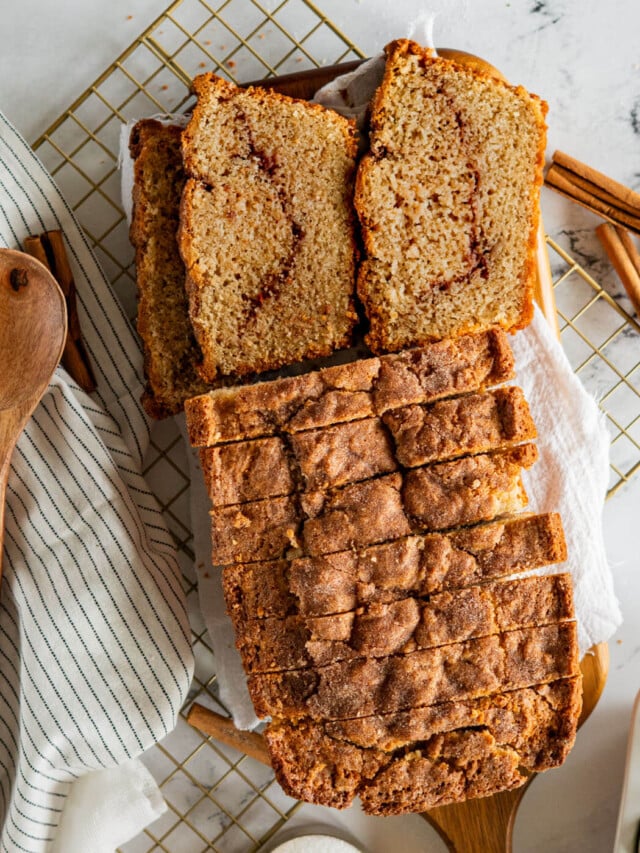

Long-Term Sourdough Storage
If I had been smart, I would have used the remainder of my sourdough from the fridge and revived a backup I saved much earlier last year. But I’m always up for a challenge, so I decided to revive my starter. If that’s not for you, check read my post about long-term sourdough starter storage.
Freeze it:
- Freezing a sourdough starter is a quick and easy way to take a break from your starter.
- It’s quick and easy to do.
- Requires no feeding until thawed.
To revive the frozen starter simply allow it to thaw at room temperature before feeding it with equal parts of starter, flour, and water.


Dry it:
- Dehydrating sourdough starter is bit more involved than freezing, but kinder to the yeast in the starter.
- Requires no special tools.
- May take a bit longer to revive than a frozen starter.
To revive the dried sourdough starter, mix equal parts, by weight, of the dried starter and warm water. Allow it to completely re-hydrate the starter and then feed it with equal parts of starter, flour, and water.


Master Your Sourdough Starter In 5 Days!
From Confused To Confident.
Find success with 5 simple, actionable secrets delivered to you. No more guessing games - just clear, proven steps to a thriving starter.
📖 Printable Recipe
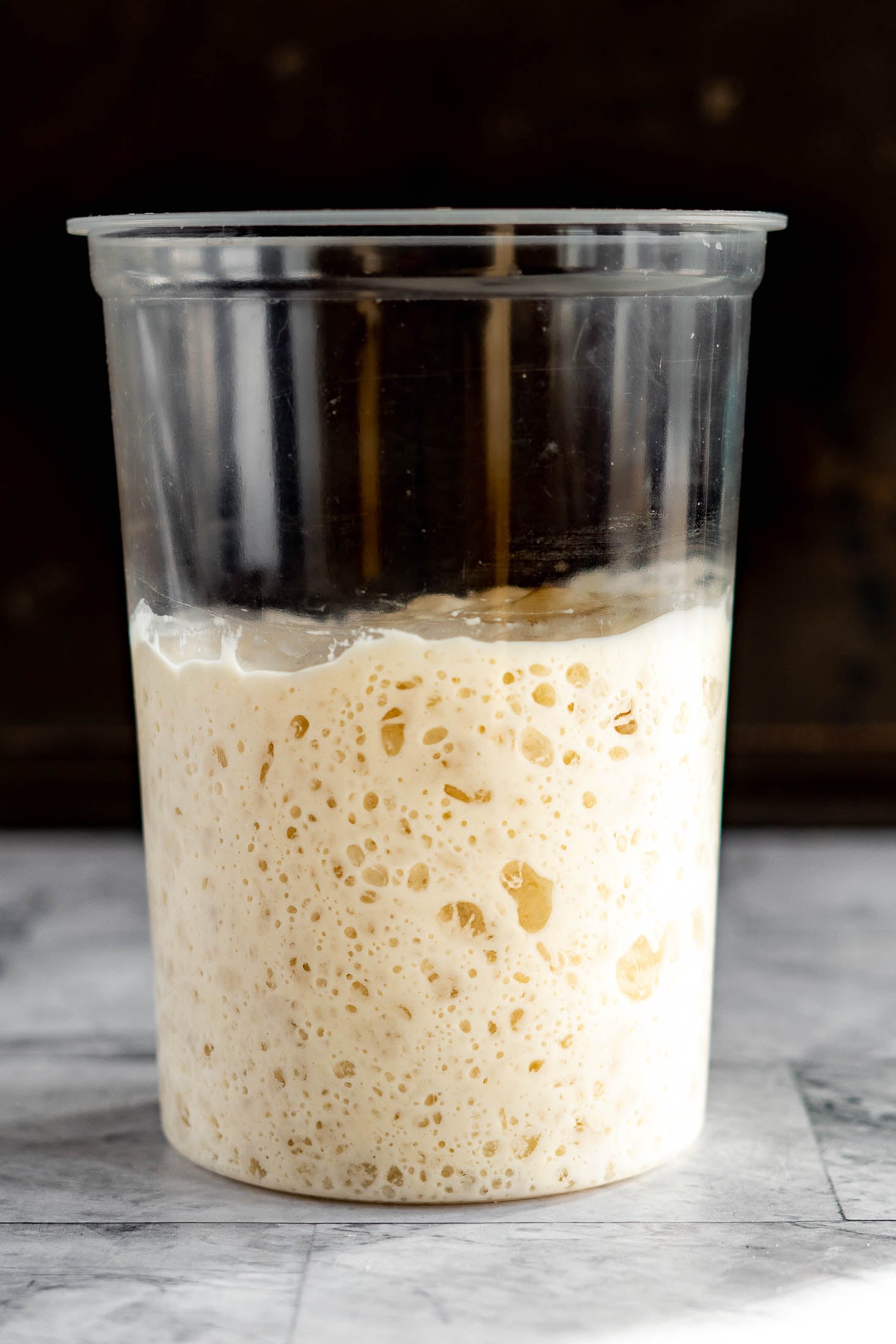
How To: Revive Sourdough Starter
Ingredients
- 50 g unfed sourdough starter
- 500 g flour, divided
- 500 g water, divided
Instructions
- Remove the unfed sourdough starter from the fridge and allow it to rest at room temperature for 3-4 hours.
- Look closely at the starter, discard immediately if your starter has mold, a pink tinge, or smells musty. These are signs that bacteria have overtaken the yeasts.
- If the starter passes the test, stir in the hooch, or pour it off. I prefer to stir it back in to keep my hydration levels correct, but it can be poured off too.
- In a clean jar or container, mix 50g of the unfed starter with 50g warm water, stir until combined, then add in 50g flour.
- Set aside the fed starter for 12 hours, then feed it again using a fresh clean jar, combine 50g starter, 50g water and 50g flour. Mark the side of your jar with the height of the starter.
- Watch the starter for signs of activity. It may be a little bit sluggish, but you should start to see a few bubbles here and there.
- If the starter is close to doubling within 12 hours, wait 24 hours before feeding again. If the starter is not close to doubling within 12 hours, feed it again 12 hours after the initial feed- and repeat until the starter doubles within 12 hours, then reduce to a 24 hour feeding period. When the starter has reached the 24 hour feeding cycle, it is ready to bake with.
- Once the starter is revived and doubling regularly, it should be maintained on the counter and fed every 24 hours for 4-5 days. This will help get your starter healthy again before it's placed back in the fridge.
- Ensure to feed your starter weekly or bi-weekly once it's in the fridge to keep it healthy and active.
Video




This worked to revive my starter! Thank you so much for the clear and concise instructions!
Awesome! Happy to hear it!
Nice article Ally. I bake once a week, about every 5 or 6 days, one loaf. so I have two starters in the refridgerator which gets rotated every two weeks. take it out the night before feed it a well rounded teaspoon of rye flour, next morning give it the 1:1:1 ratio three to four hours later more than doubled and ready to make bread dough. I use an old English sourdough recipe. 500 grams of flour / 290 grams of water / 200 grams of starter / 10 grams of sea salt …usually bake the same day, always makes a good loaf of bread.
Hi Ally!
I just finished reading all the directions and the comments below. I have a refrigerated starter that has been in the back for probably six months. I came across your post and thought I would try to revive mine. It had some gray hooch and was still pretty thin. I took out the 50g of starter (my teacher calls it the mother) and using a clean jar, added the 50g of water and then 50g of flour. I also left my mother out on the counter for a few hours and took a look at it. Still looked then and somewhat bubbly, so I added the same ingredients to it and put it back in the fridge to feed every two weeks. Is this wrong? Is my mother supposed to be thrown out? I have always kept her in the fridge until the next bake and always added some to it before refrigeration. I have done only two feedings so far and no luck but will just keep adding to a new jar with each feeding.
Hey Nancy, there are lots of ways of keeping a starter and many bakers use the same process as you, where you take portions off the mother and feed it to bake (this is known as a levain), and many people do like I do – keep small quantities of one starter and feed it sufficiently to use some to bake and keep some to continue the process. You’ve been using your method for a while and if it works, I’d suggest keeping it the same!
When reviving it can take a few days before you see a lot of activity, depending on the strength of the starter when it went into the fridge and the length of time it was in the fridge. Please let me know how you make out!
Hi, how long should my starter stay liquidy? It’s been at least a couple days and it’s not doubling and is liquidy…is it no good? Should I just start over?
How long was the starter in the fridge? How strong was it when it went into the fridge? Are you following the feeding routine? If the answers are not too long, strong, and yes, I’d consider a big feed – take 50g of your liquidy starter, feed it 75g water and 100g flour. That should make it thick like peanut butter – then rest overnight before feeding it again.
My discard was pretty thick in the fridge (not runny like you said it should be). It’s been in there a LONG time, like I don’t remember how long but at least 8 months. Just for science, I left the jar out overnight to let it come to room temperature, then I did your starter feeding method since it didn’t have signs or smells or going bad. It has doubled within 24 hours and has the tiny bubbles. So my question is, since I started it from discard that had gotten really thick, is there any reason I can’t keep feeding it and use it again? Like is there a safety issue?
Thank you for all of your insights! This has been so helpful!
Hey Deanna, it could have been thick because it was cold!
Either way, whether you revived discard or starter, they’re the same thing with the same microbiome. The only difference is our perception because one has been fed more recently, long story short, you’re totally safe as long as you didn’t notice any signs of it going bad 🙂
I had some sourdough in my freezer for more than 3 years. Thought I might bring it back to life, so I fed and after 3 feedings now it still hasn’t done much but sit there. Very little action. Then I read somewhere else that chlorine kills starter. I plum forgot about the practice of putting out an open jar of water overnight to let the chlorine dissipate/evaporate before adding it to the starter. It’s been on the counter since I’ve removed it and it’s on the cooler side in the kitchen (65-70 degrees low/high). Do you suppose I should start over or continue to feed this with chlorine free water from now on and see what happens?
Hey Gary, worst case, you’re already 3 days into a new starter if the yeast completely died off in the freezer over that length of time. I wouldn’t start over, I would just continue with what you’ve got going 🙂
@Ally, Hey thanks for the really quick reply. I will continue. So…, is it true that water out of the tap (chlorinated) will kill a starter?
I have heard that this is the case, but we live in the country so I only have experience with softened well water (which works fine)
So frustrated and I don’t have all day to search for accurate conversions from grams to cups, etc. Wondering how hard it would be to just put the conversion in parenthesis in the recipe. I am old and the older I get the more I truly understand the old saying, “Old people don’t like change.” It’s frustrating and we don’t have a lot of time left on this earth at this point anyway. I know I sound crabby (I get that way sometimes) but I have lots to do today and “research” wasn’t part of it. I am hoping that it may be correct what I found that 50GM in the starter would be somewhere in the equivalent of 1/4 cup? Going to try and just see how it goes. Please consider revising the recipe! Or just put in a side note. Now I will crawl back in my hole from which I came and try not to “fuss” anymore. Thanks!
Hey Susie, sorry to hear that you find weighing in grams frustrating, and to be honest, until I really gave it a shot, I thought it was annoying too. Now that I am used to it, I actually prefer to bake with weights versus volume, I find it cleaner, easier, and quicker. But the best part is that my results are more consistent.
I use grams when baking with sourdough because I know that 50g of flour today is the same as 50g of flour tomorrow, and next week, and next year. While using a measuring cup and spoon means I can inadvertently have more or less flour than I want. I do have a youtube video I recorded for my homestead channel that shares how I feed my sourdough starter, along with using my scale and a few tips and tricks along the way. It may inspire you to try it! Here’s the link.
My starter would not rise and I needed an understanding and solutions. This article helped a lot
Hi! My neglected starter had some hooch on top and no mold or anything so I started working on feeding it. It’s been three days of feeding with no rising but there have been some bubbles. It wasn’t until after this I read your article and saw that the neglected starter should be thin/liquidy. Mine was definitely not that – it was thick almost like play dough before I added water to it. Can you explain why the thick consistency out of the fridge means that I should toss it?
Hey Emily, the consistency of the starter really depends on how much of the flour the microbes have consumed. So when you first feed it, based on feeding 1:1:1, it’s gonna be really thick like peanut butter and as the microbes eat the starches and good stuff in the flour, the consistency changes as the flour is broken down. This is why hungry starter is runny, and activated starter is kind of snotty, it’s in between thick and pasty and thin and runny.
Without knowing more about your starter that was in the fridge or your feeding habits, I can’t tell you either way, unfortunately. If you still have the starter, you can allow it to come to room temperature, feed it 50g starter, 50g flour, and 50 g water and rest overnight. An important step in this process is going to be transferring it to a clean new container and marking the sides of the starter jar so you know exactly where it was at the beginning of the feed and will be able to clearly see slide marks on the jar in case it rises when you’re sleeping or at work.
I’d at least give it 4-5 days of daily 1:1:1 feeding before you write it off. If it’s kind of coming around but not really activating super fast, you can try feeding it 50g starter, 50g water, and 50g whole wheat flour. Sometimes that will give my starter the boost it needs to really get going after a little rest.
Hi,
Thanks for your great website!
I started reviving a neglected starter of my own, and also converting a neglected one that was a gift and got lost at the back of the fridge to be a rye starter. However, I’ve just realised I didn’t read the recipe properly – I took 50g of the original starter(s), added 50g flour, 50g water; 12 hours later, added 50g flour, 50g water to the mix not realising I was supposed to discard some, did the same again this morning, and have now realised I should have been doing 50/50/50/discard, not mix+50/50. So, now I’ve done it properly, and have a bowl of 50/50/50 white plus a bowl of discard, and 50/50/50 rye plus discard. It’s all bubbling very nicely! But I’d appreciate your advice – do I need to do anything to rebalance my two starters or just from now on read the recipe properly?! And I have two bowls of fairly runny discard – do I just use this as normal in discard recipes?
Sorry for the long post and thank you for your thoughts!
Hey Sally, I think you’re fine to be totally honest. Not discarding for the first few feeds after reviving isn’t a huge deal, the starters are great, so no worries there! They make take an extra feed to be at full strength, but it seems you caught it early, so that may not even be a factor. And don’t worry about making a simple mistake, they happen!
The discard is usually pretty runny once the microbes have eaten all the food in it, but it should be just fine to use in recipes that specify discard. The discard is 50% water and 50% flour, regardless of the texture, if that makes sense.
Thanks for your post , I appreciate the simplicity of your explanation. I have never been able to throw discard away with the high cost of flour (always use it for baking). This time I got 4 jars going and it appears to all be healthy and active so I’m thinking I could use it all in my bread recipe…
Hey Sandra, glad you enjoyed the post!
I think that discard gets a bad wrap, but it is incredibly useful. I do actually have a couple articles about discard, like what to do with sourdough discard and how to store sourdough discard. I totally agree with you, I almost never toss mine, and if it does make it’s way out of the kitchen it goes to my chickens!
Thank you for this informative post! I am trying to revive my starter because it seems too acidic, and I haven’t been able to bake bread successfully. In the past, I was leaving it on the counter and feeding it once a week without discarding. Would this method of reviving a sourdough starter also work well for my case?
You bet, if there are active microbes in your starter, they’ll be happy on this diet! LOL
Your starter is likely acidic because it’s hungry. In my opinion, (I know you didn’t ask haha) the best feeding routine is 1:1:1 starter, water, flour. I always use 50g each, and then I have about 100g active starter to play with once it’s fully activated – which is perfect for my go to small batch sourdough.
If you’re wanting to only feed once a week, consider reviving it, then storing it in the fridge, you can slow down the fermentation considerably and reduce the feeds.
Thank you Ally,
It feels like you have been looking over my shoulder. I am reviving a months old refrigerated starter and it is on a robust doubling schedule. The question involves smell, it has almost none. I’m using King Arthur organic all purpose flour. Am I ok or does this indicate a problem?
Thanks,
Fred
Hey Fred,
If it’s doing it’s thing, no need to worry about the scent! When my starter is cooking along in the winter months, it smells faintly pleasant and not much else.
I have accidentally left a jar of starter in the cupboard for 2 months, now that’s a smell you don’t want. LOL
I’m a little confused by the directions for reviving. Step 4 says that I take 50g starter, add 50g water and 50g flour and let it rest for 12 hours. Then it says in a clean jar again…so do I remove 50g of starter from the batch done 12 hours prior and then add 50g of water and 50g of flour? Then it would start the hopefully 24 hour feed process?
Yes, exactly. The in a clean jar sentence explains what you should do during that feeding step 🙂 I changed the wording slightly hopefully that makes it more clear!
@Ally, okay. Now that that is cleared up, can I add the step 4 discard to the original? I was going to use that to make something with the discard since I have a lot of it.
If you add more discard to the starter you’ll have to feed it larger quantities, so I usually just keep a small amount of starter going while I’m trying to revive it. If you want to skip discarding that’s fine too. Or are you meaning you want to mix the current discard with your previous discard? If so, that’s fine as long as your discard is still healthy!
@Ally, mix the current discard from this morning to the discard that I started with yesterday. I started a new starter yesterday *just in case* this one that I’m trying to revive doesn’t grow.
Usually, the rule of thumb is not to use discard from a brand new starter for at least 2 weeks because it hasn’t been innoculated with yeast and bacteria to keep the mold and bad microbes down. I used the discard from my 24 hour starter right away cause it was made with commercial yeast. Hope that helps!
I wish you’d give American measurements along with the metric. If I have to look up what 50 grams is every time i read a British or European recipe I’ll probably try a different recipe.
Hi Louise,
I understand your frustration, but the reason most sourdough recipes are in weighted measurements versus volume measurements is because of the ration required for sourdough starter. While you can convert it to volume measurements and have a “sort of close” replica of the original, weighted measurements are much better, and once you’re used to them, much easier to work with.
The main reason is that volume measurements of dry goods are notoriously inconsistent. 50g of flour is always going to be 50g, no matter how packed or sifted it is. 1/4 cup can vary in weight wildly based on many factors. On the small scale, it can be overlooked, but when you’re getting into larger volumes of flour, it can absolutely affect the outcome of your recipe.
It’s a little bit to get used to, but I prefer working with weighted measurements now – and I never would have thought I’d say that! I have a video up on YouTube about feeding sourdough starter and it may help convert you to the scale side!