
Sourdough Apple Fritter Focaccia
Apple fritter sourdough focaccia is the sweet bake you didn't know you needed! With minimal hands-on time and big flavor (crispy edges, caramelized apples, and a soft, tangy crumb) this easy recipe transforms your sourdough starter into a vanilla glazed apple-studded treat.

Craving The Recipe Details?
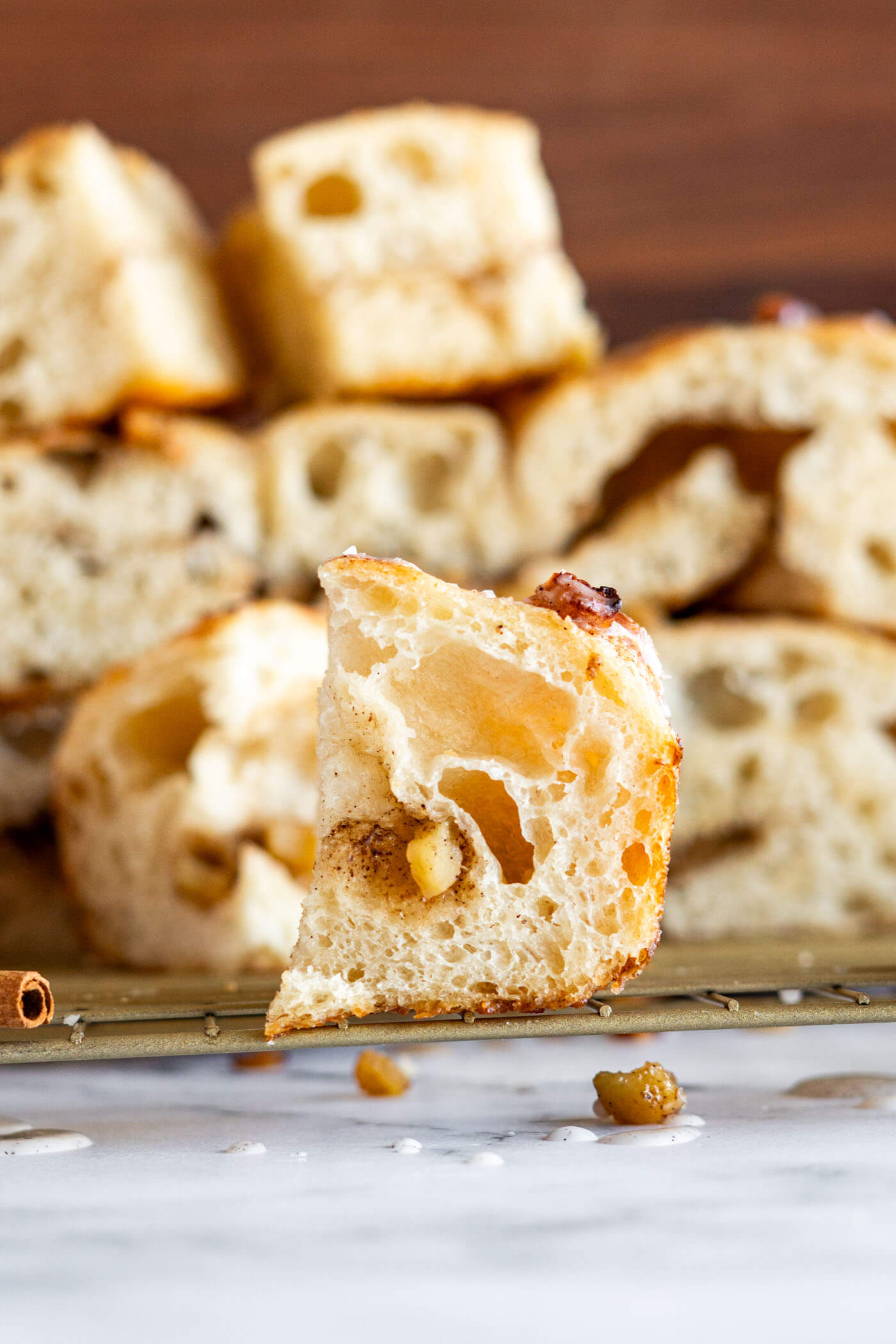
What it is: A sweet sourdough focaccia filled with cinnamon spiced apples and finished with a vanilla bean glaze. Just like an apple fritter!
Why you'll love it: A little effort leads to big flavor; crisp, caramelized edges, soft sourdough crumb, flavorful apples, and a sweet glaze make for the perfect bite.
How to make it: Mix active starter with water, honey, flour, and salt to form a sticky dough. Bulk ferment, fold in cinnamon-spiced apples, proof in a buttered pan, then bake at 425°F until golden. Finish with a simple vanilla glaze.
This simple, naturally leavened apple cinnamon sourdough focaccia is the perfect way to put your sourdough starter to work, no fuss, just rich flavor and a pillowy-soft texture.
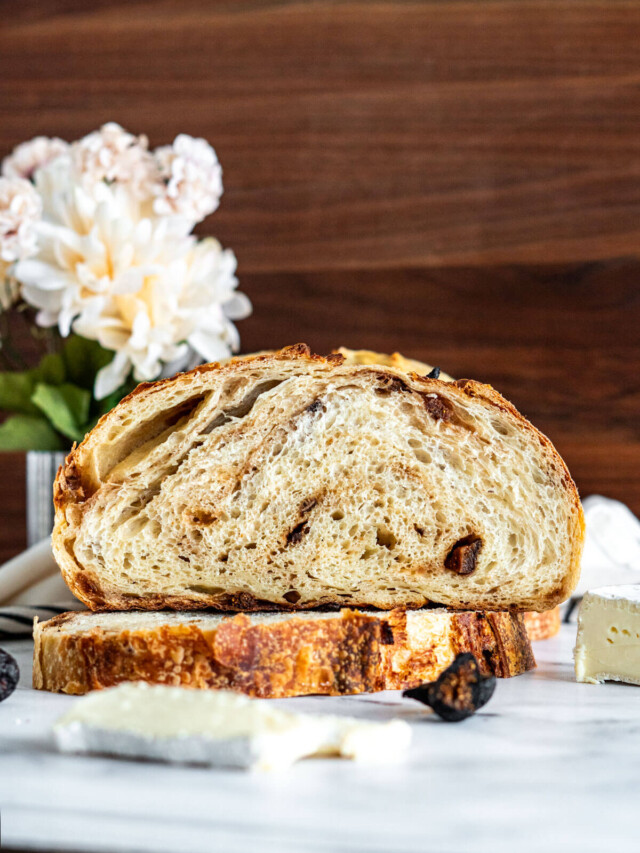
It’s an easy bake that transforms basic ingredients into a beautifully golden, apple fritter bread that’s perfect for sharing. If you love creative sourdough bakes like my chai latte sourdough, fig and brie sourdough, or dill pickle sourdough, this sweet twist on my sourdough focaccia is sure to earn a spot in your baking rotation.
This sourdough apple fritter focaccia recipe is dedicated to baking rotations.

Master Your Sourdough Starter In 5 Days!
From Confused To Confident.
Find success with 5 simple, actionable secrets delivered to you. No more guessing games – just clear, proven steps to a thriving starter.
Jump to:
Key Ingredients
Apple: I love Honeycrisp apples for this recipe, they’ve got a perfect sweet/tart balance and the flesh is super crispy and holds it shape well while baking.
Butter: Focaccia needs oil. That's the secret to the beautifully browned and chewy crust. Rather than using savory olive oil in this recipe, we are going to use butter!
Sourdough Starter: For this recipe, you want to use a fed and active sourdough starter. Your starter should have been fed before beginning and have at least doubled in size.
Read More: Best Jar For Your Sourdough Starter
Master Your Sourdough Starter In 5 Days!
From Confused To Confident.
Find success with 5 simple, actionable secrets delivered to you. No more guessing games – just clear, proven steps to a thriving starter.
How To Make Apple Fritter Sourdough Focaccia
Make The Dough:
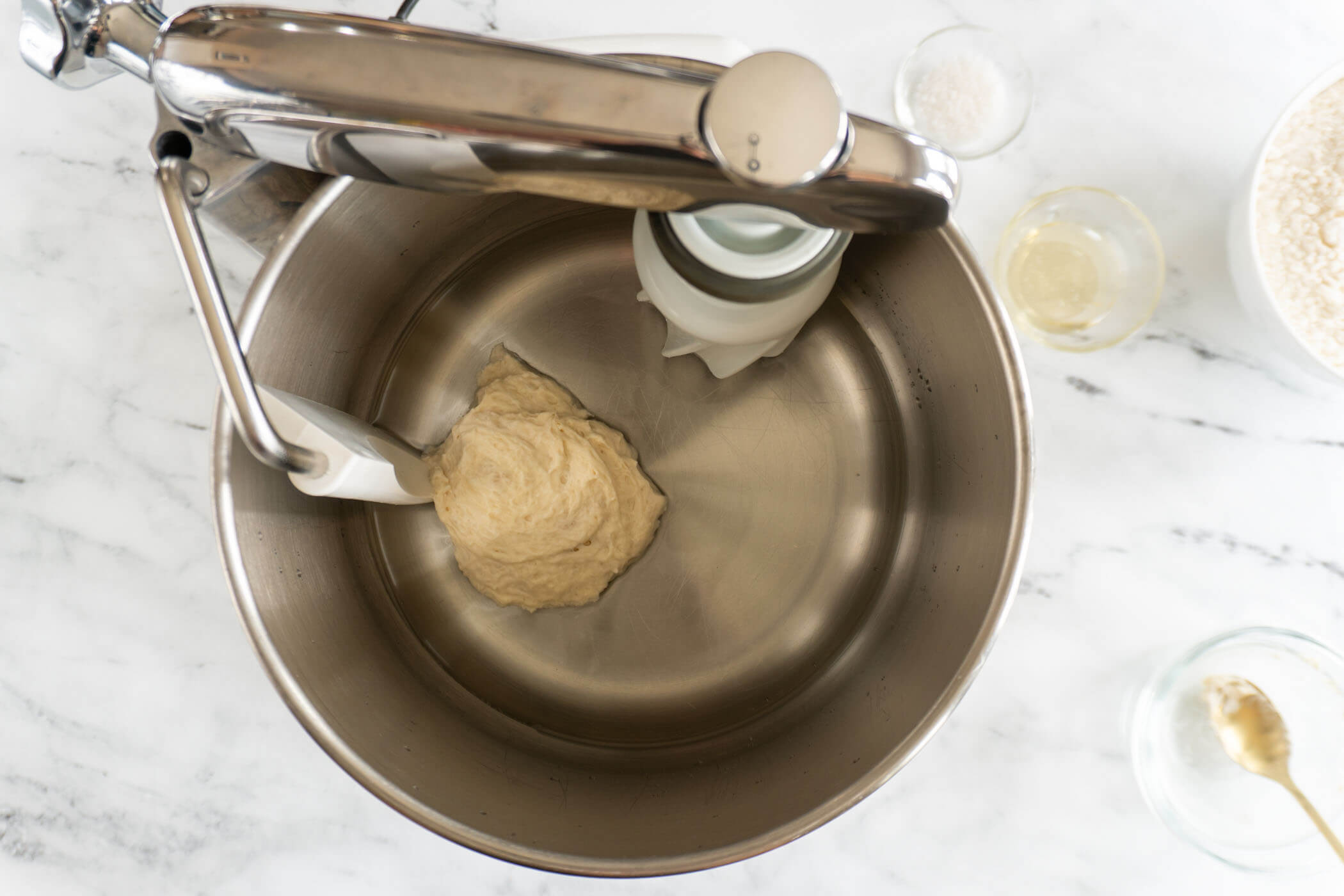
- Step 1: In the bowl of your stand mixer, combine 450g water with 125g active sourdough starter and 30g raw honey. Run the mixer for a few seconds to combine, the starter doesn't need to be completely dissolved, just reasonably dispersed in the water.
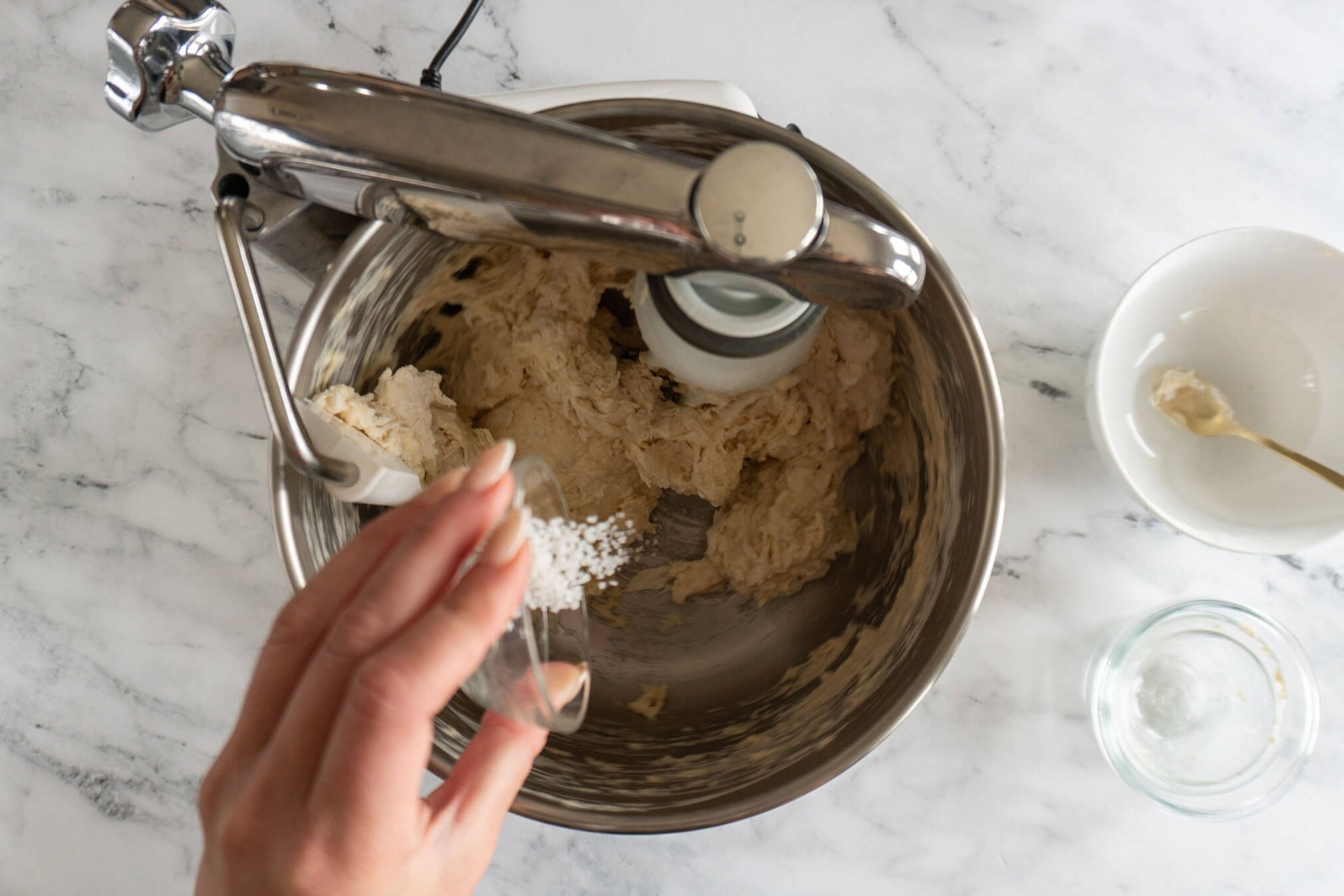
- Step 2: Add 675g bread flour and 12g coarse sea salt.

- Step 3: Knead with your mixer for 5-7 minutes on low speed. It will take a while to come together, and it will be a wet dough, but it should pull away from the sides of the bowl and stick to the dough hook or roller.
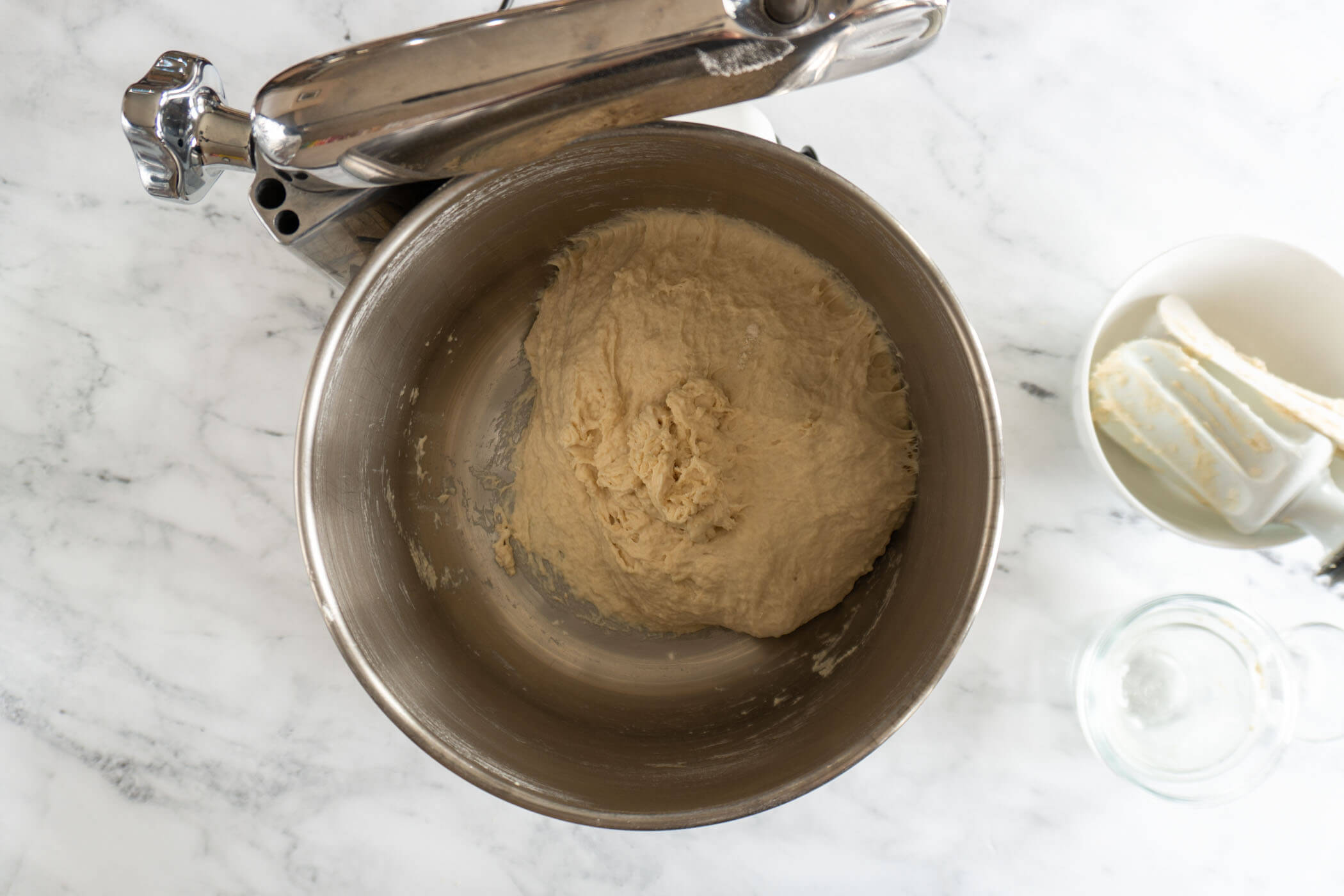
- Step 4: Cover the mixing bowl and set aside for 30 minutes.
Stretch + Fold:
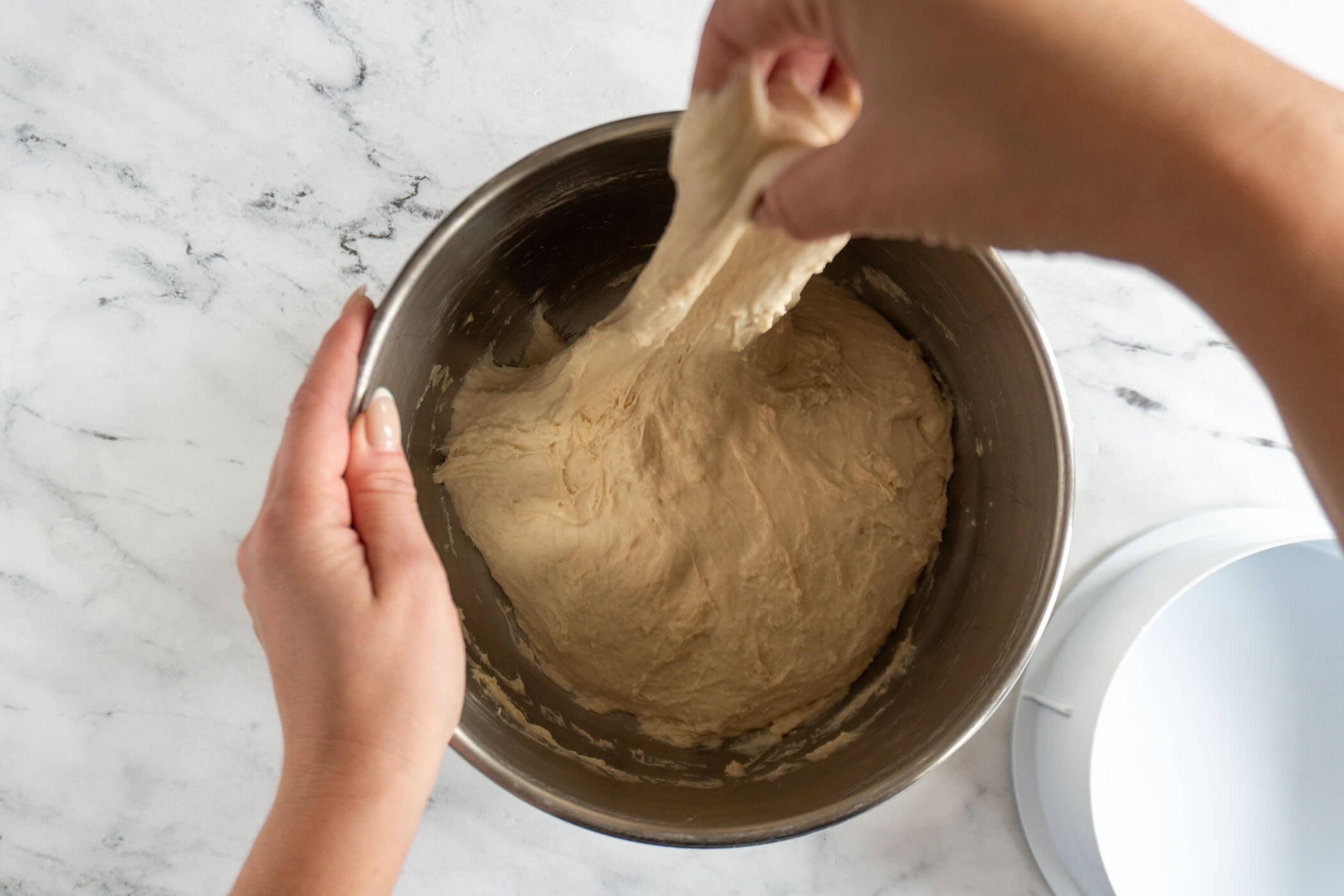
- Step 5: After 30 minutes, uncover the bowl, and perform a set of stretch and folds; grab the dough and gently pull it until the flap is long enough to fold over itself, then fold the flap, rotate the bowl 90 degrees, and repeat 3 more times, this is considered a set of stretch and folds. Recover the bowl, and rest for 30 minutes
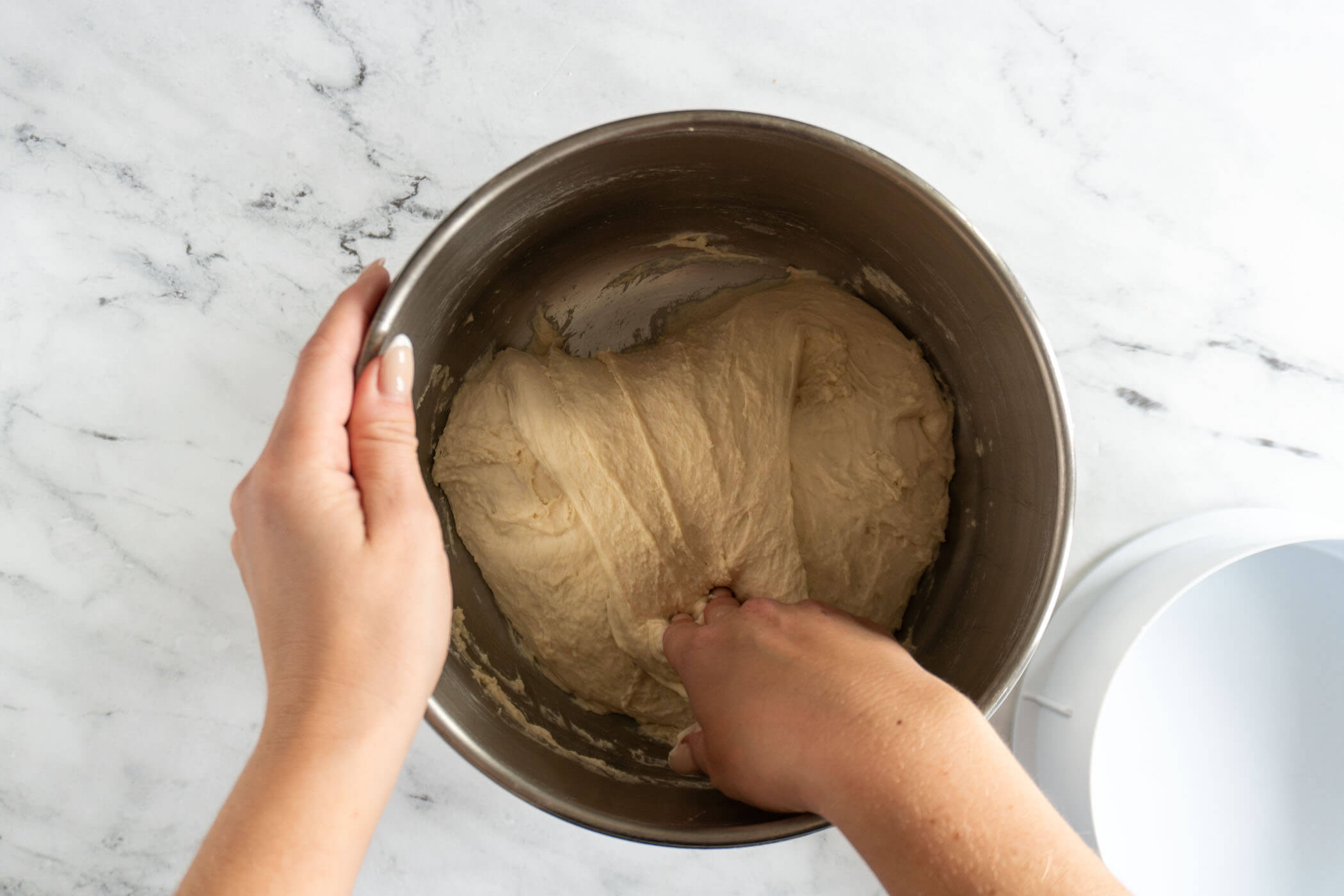
- Step 6: Repeat the stretch and fold process for a total of 3 sets of stretch and folds each followed by a 30 minute rest over 90 minutes.
After the final stretch and fold, brush a large bowl with butter, and place the dough into the bowl for the bulk fermentation.
Bulk Ferment:

- Step 7: Place the bowl somewhere warm to rise.
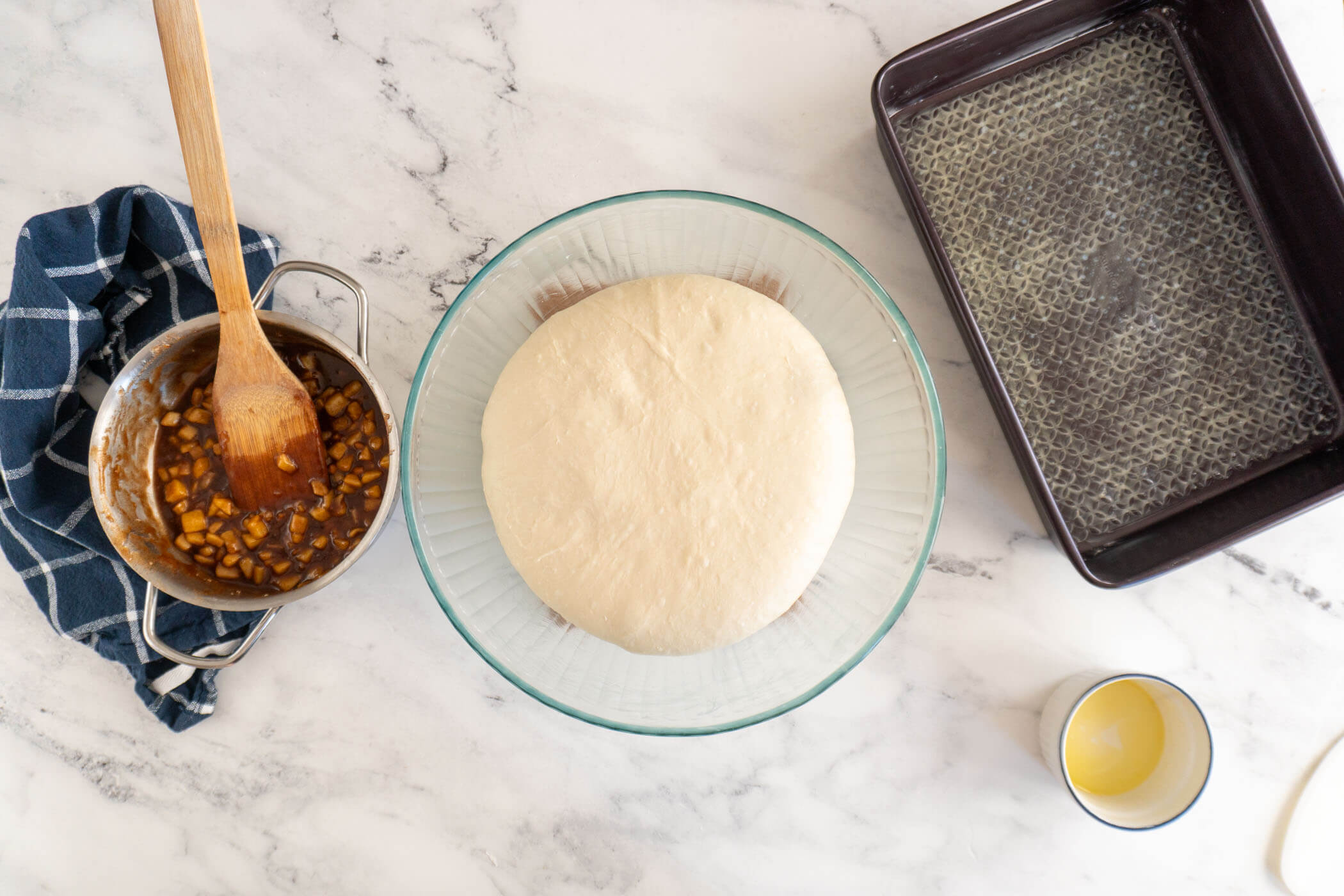
- Step 8: Bulk ferment the dough until it has nearly doubled, usually 3-4 hours, depending on the temperature in your home. Meanwhile, make the apple fritter filling.
Make The Filling:
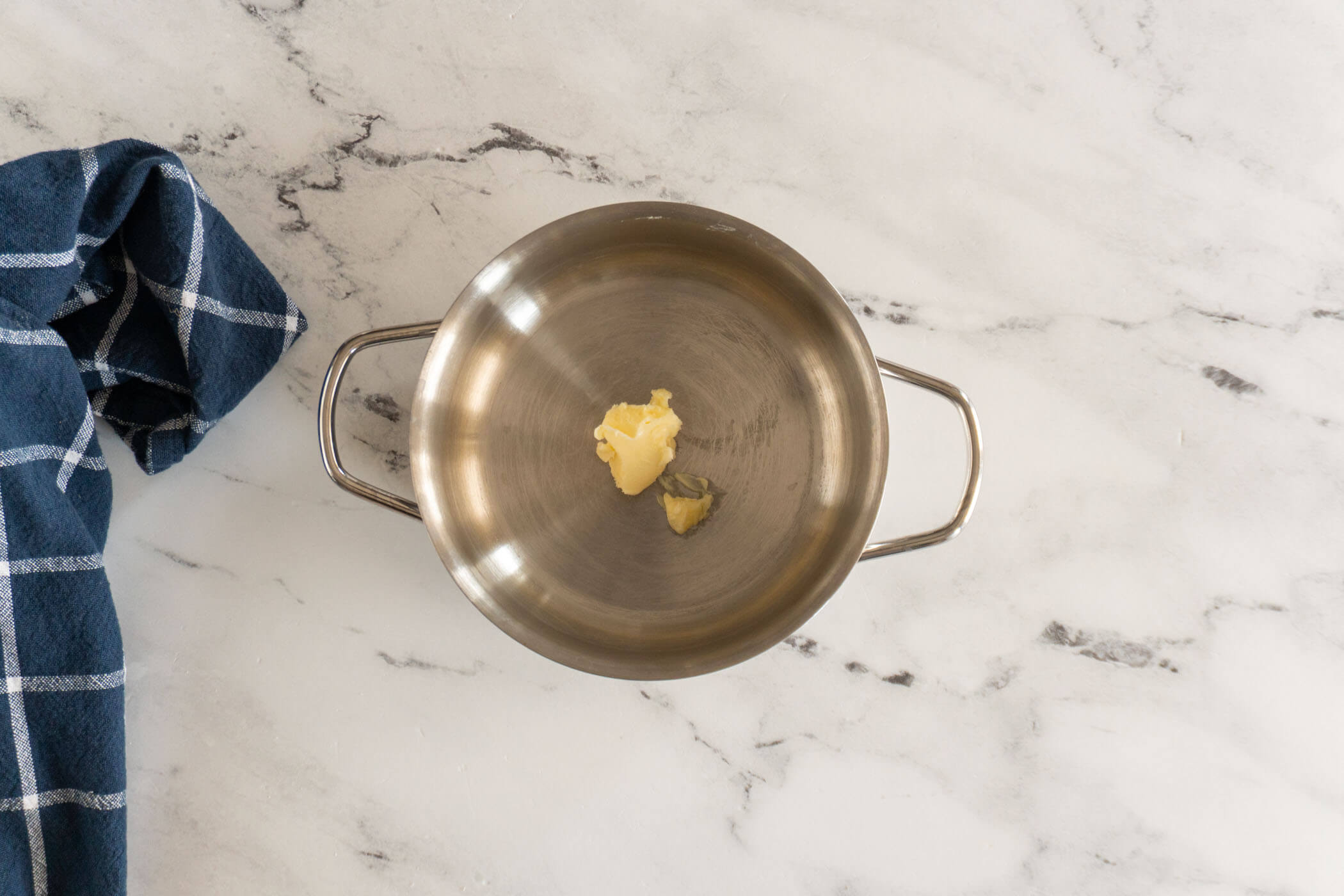
- Step 9: Add 15g butter to a small sauce pan and melt over medium low heat.
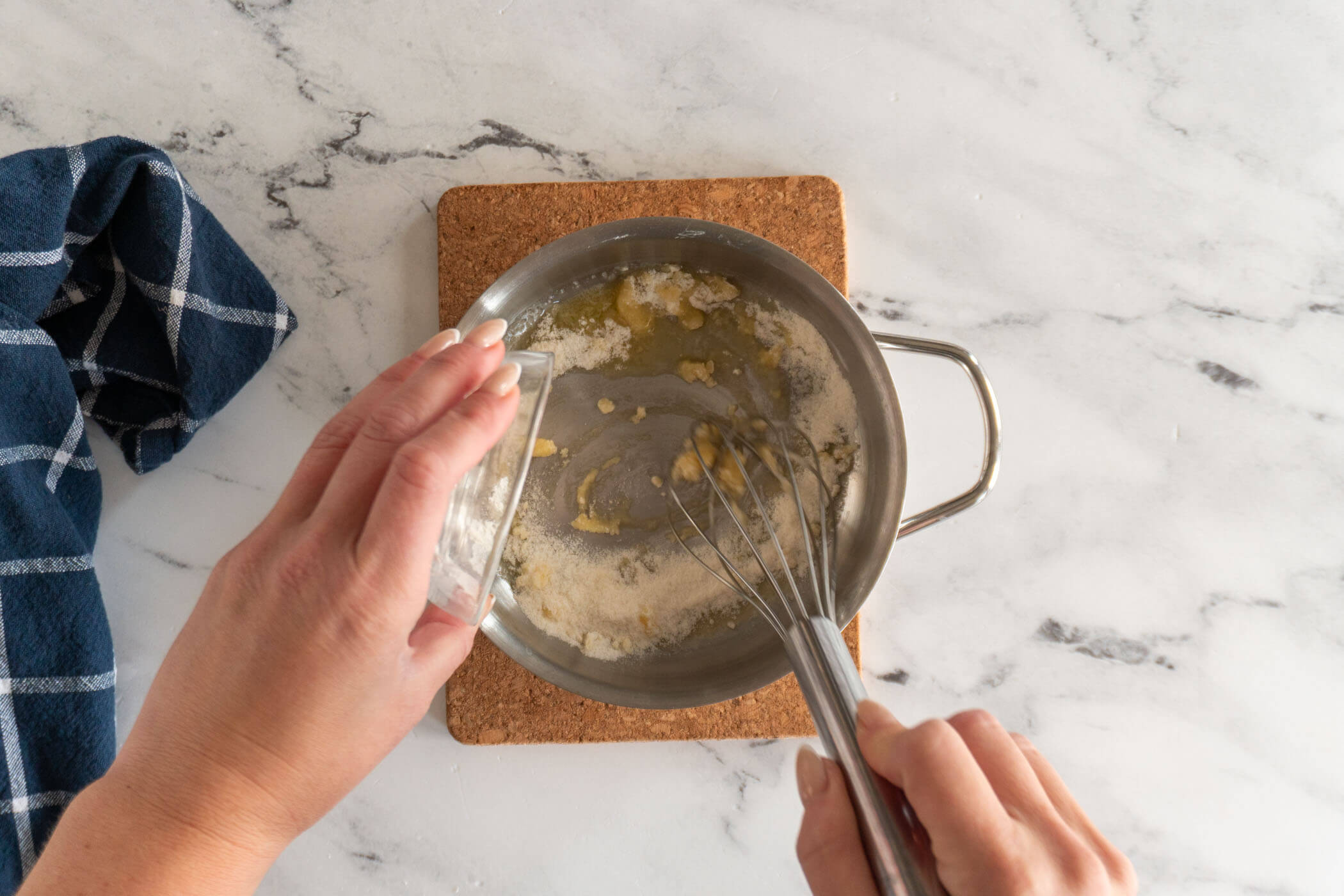
- Step 10: Whisk 12g granulated sugar and 8g bread flour into the butter and cook until thickened.
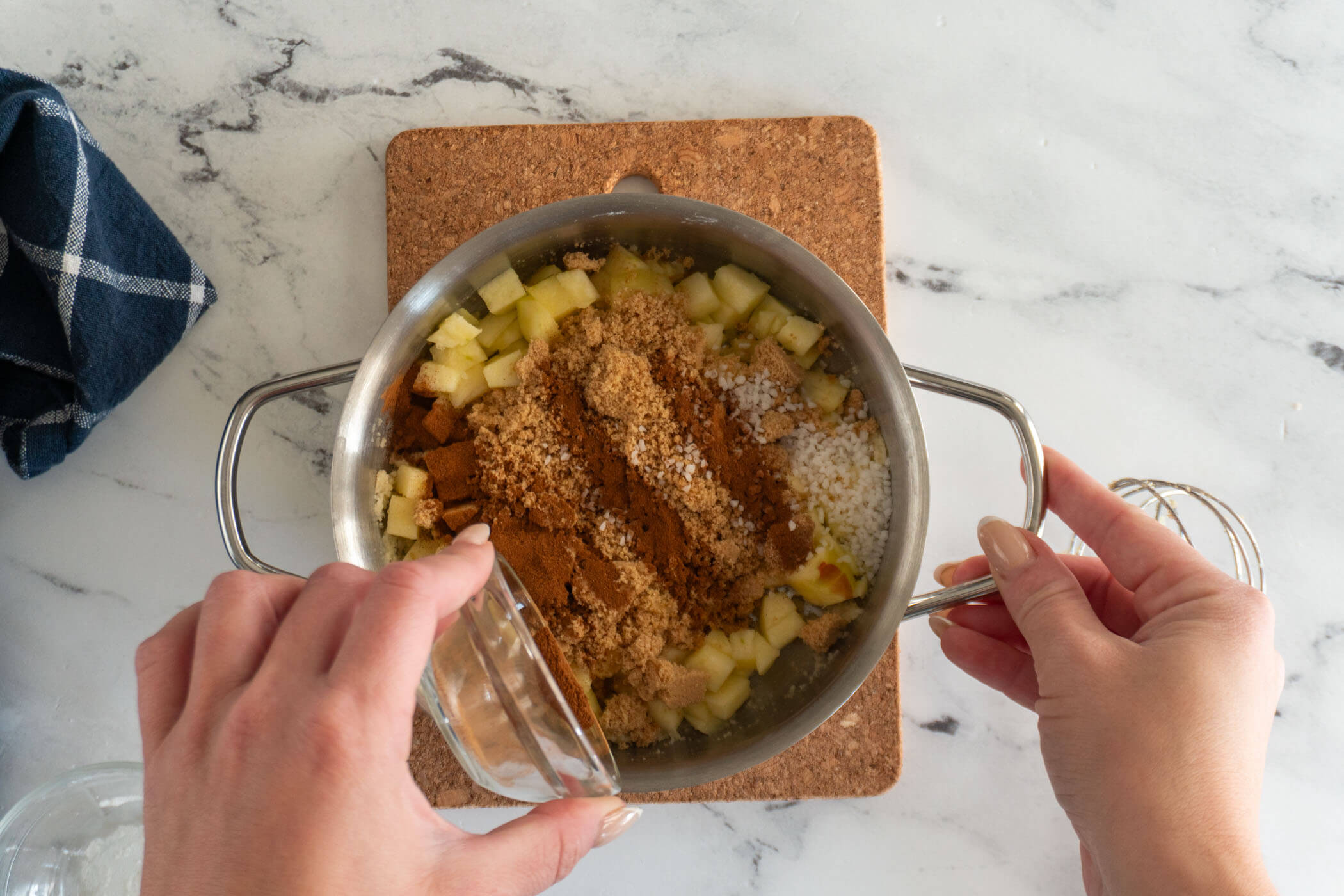
- Step 11: Peel and dice 1 large apple, then add the diced apple, 75g brown sugar, 2g cinnamon, and 2g coarse sea salt to the saucepan.
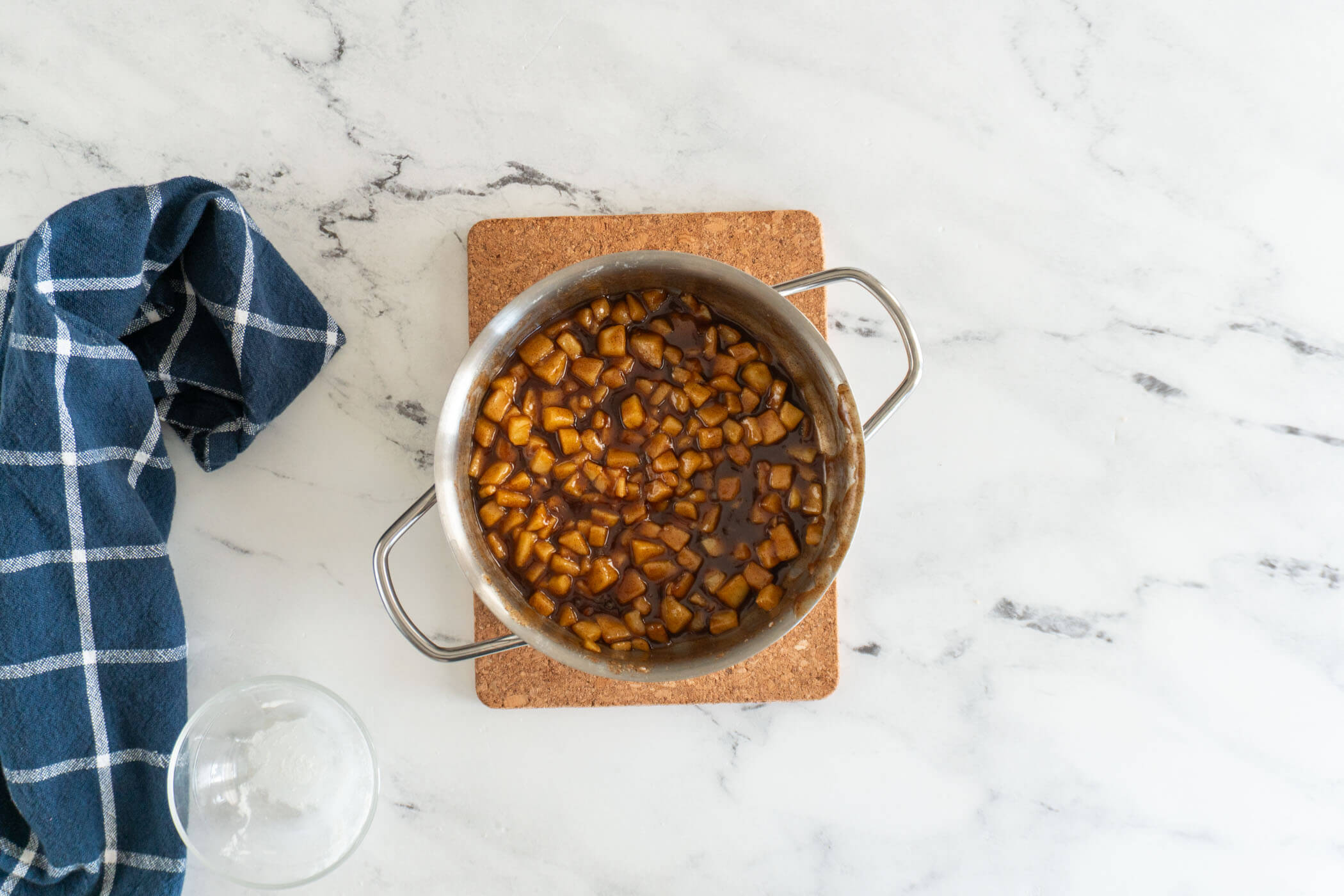
- Step 12: Cook the mixture over medium low heat until thickened and the apples are slightly softened. Remove from heat and allow to cool at room temperature until shaping.
Shape + Prove:
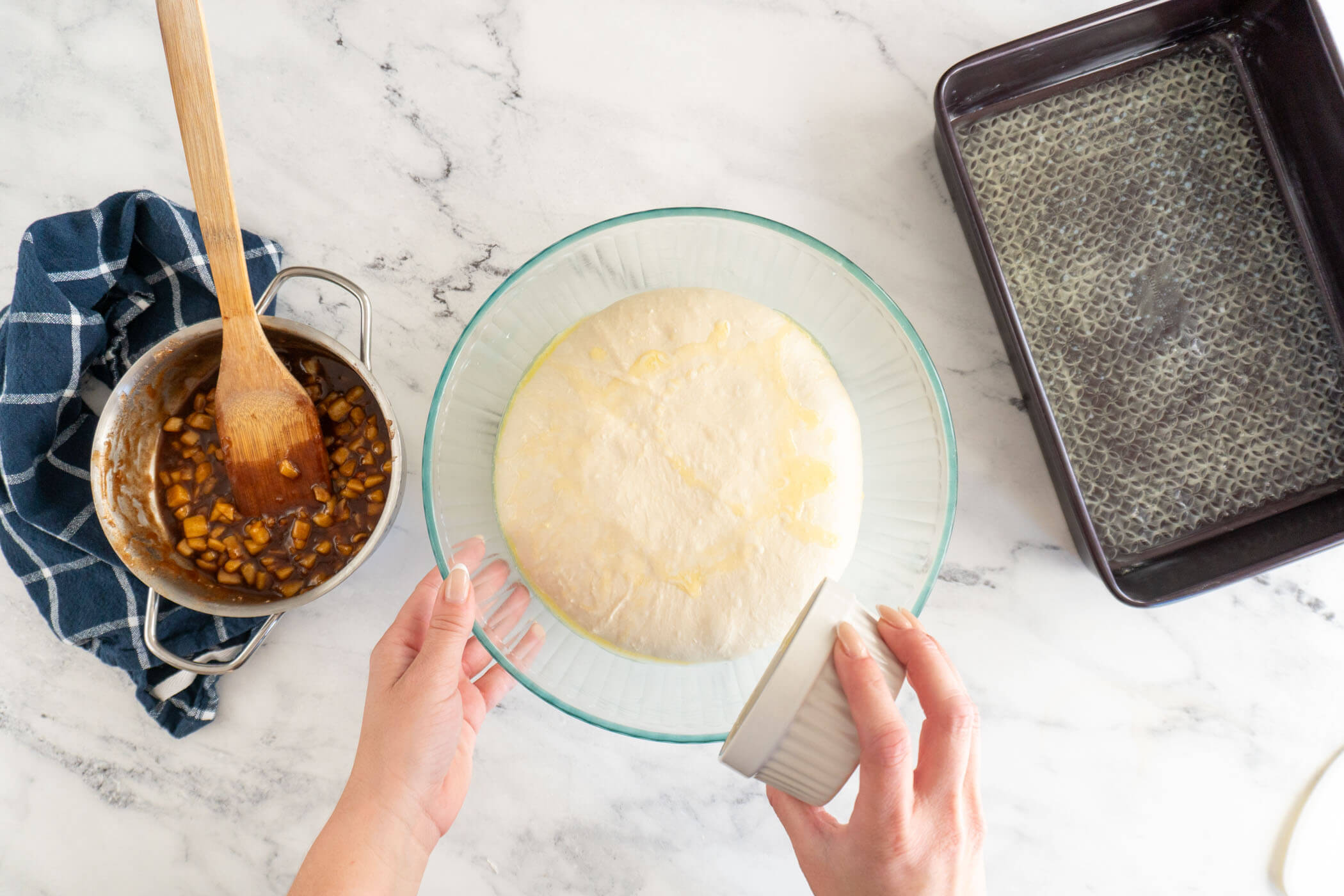
- Step 13: Once the dough has completed the bulk ferment, pour 30g of melted butter into a greased 9×13 pan. Pour 15g of melted butter on top of the dough.
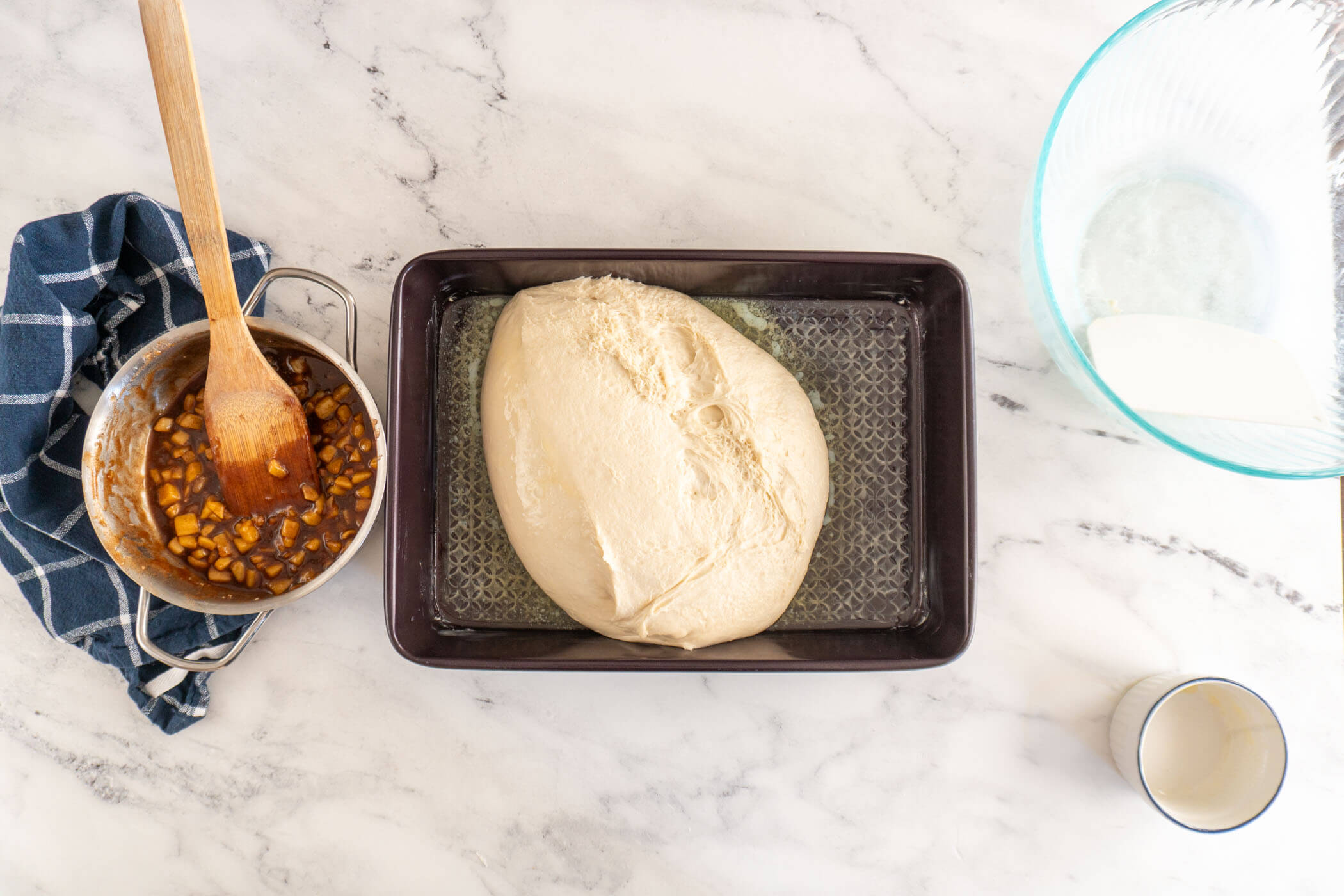
- Step 14: Use a bowl scraper to turn the dough out into the buttered baking dish.
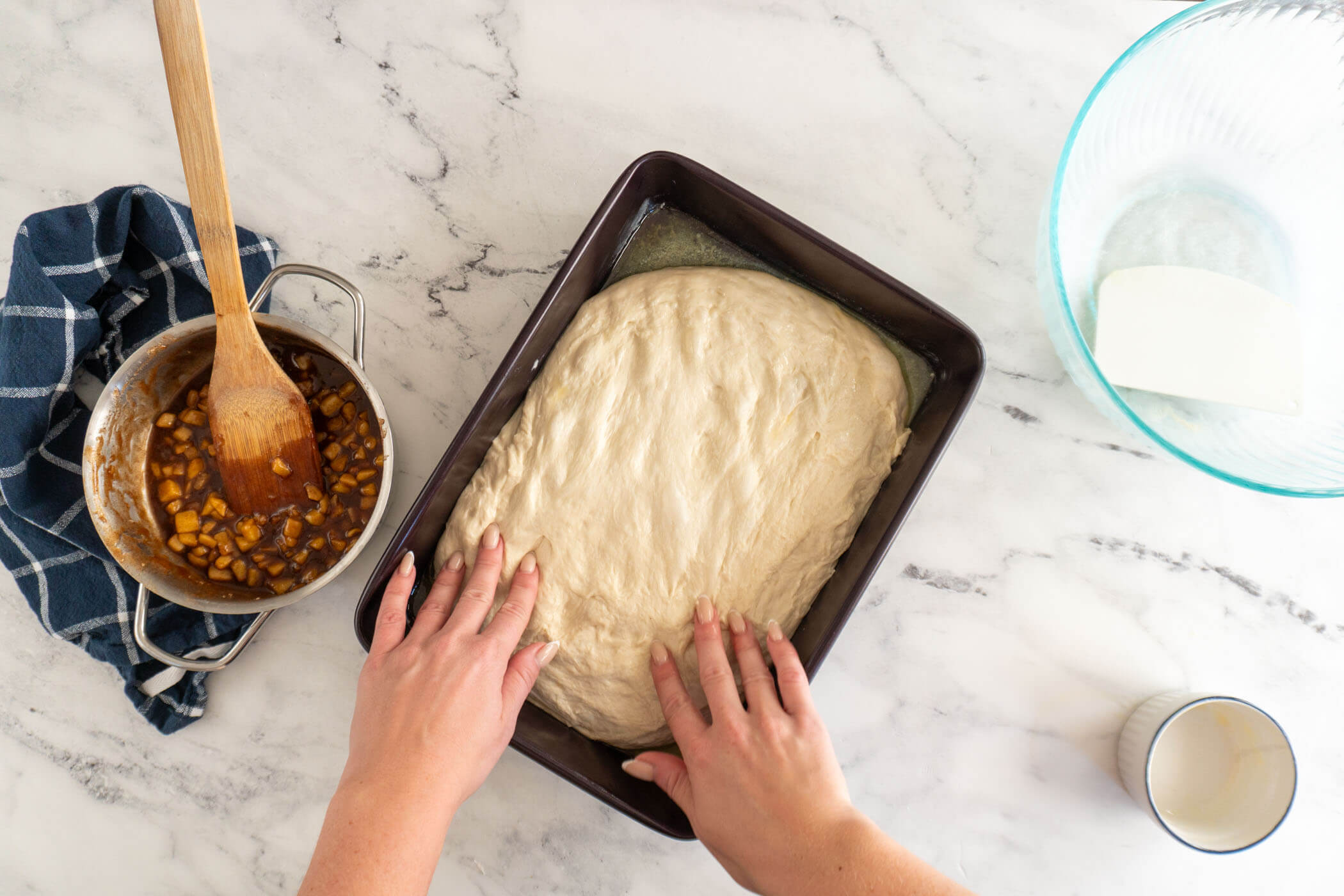
- Step 15: Gently press the dough out into a rough rectangle to cover most of the pan.
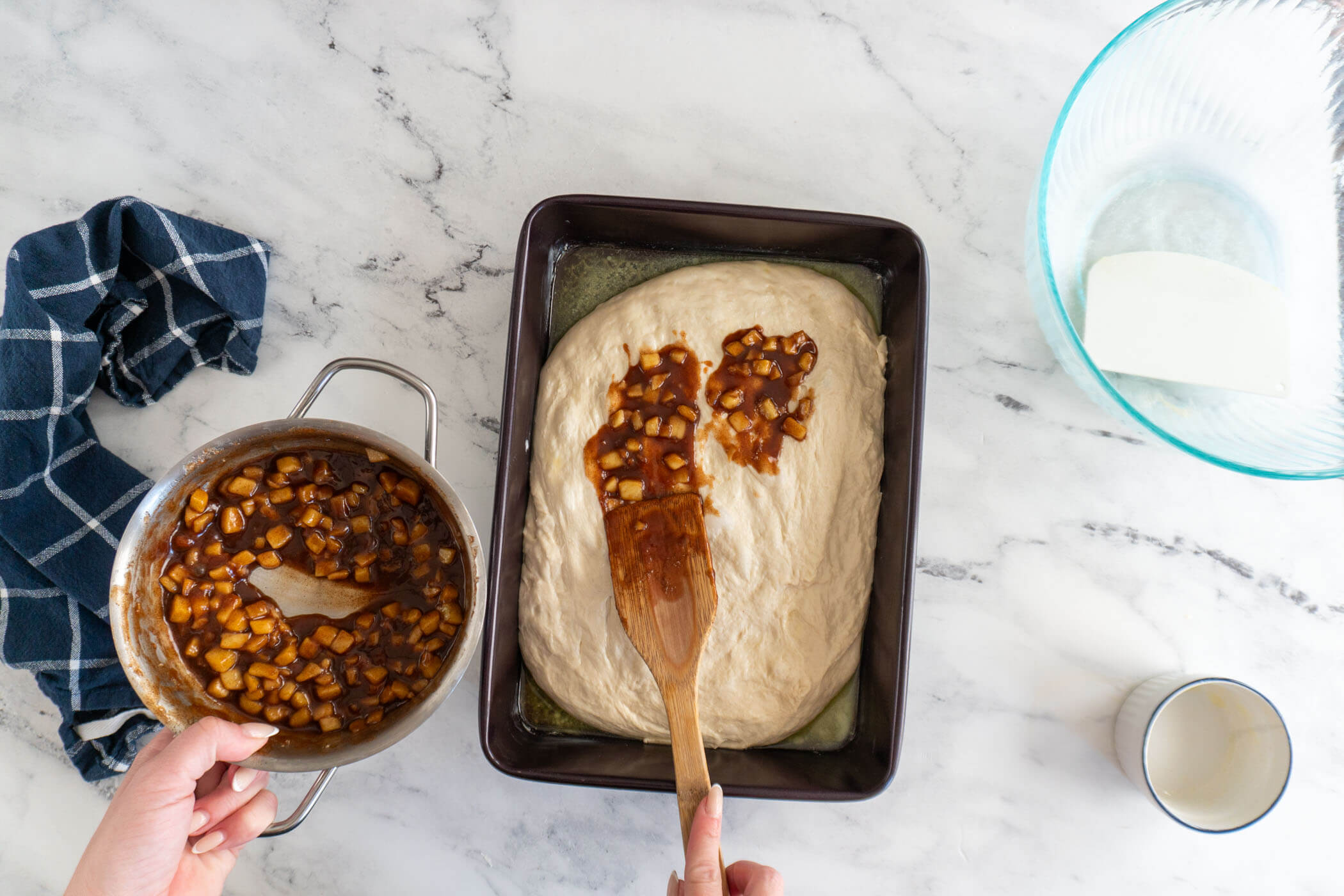
- Step 16: Then spread half the apple filling along the surface of the dough.
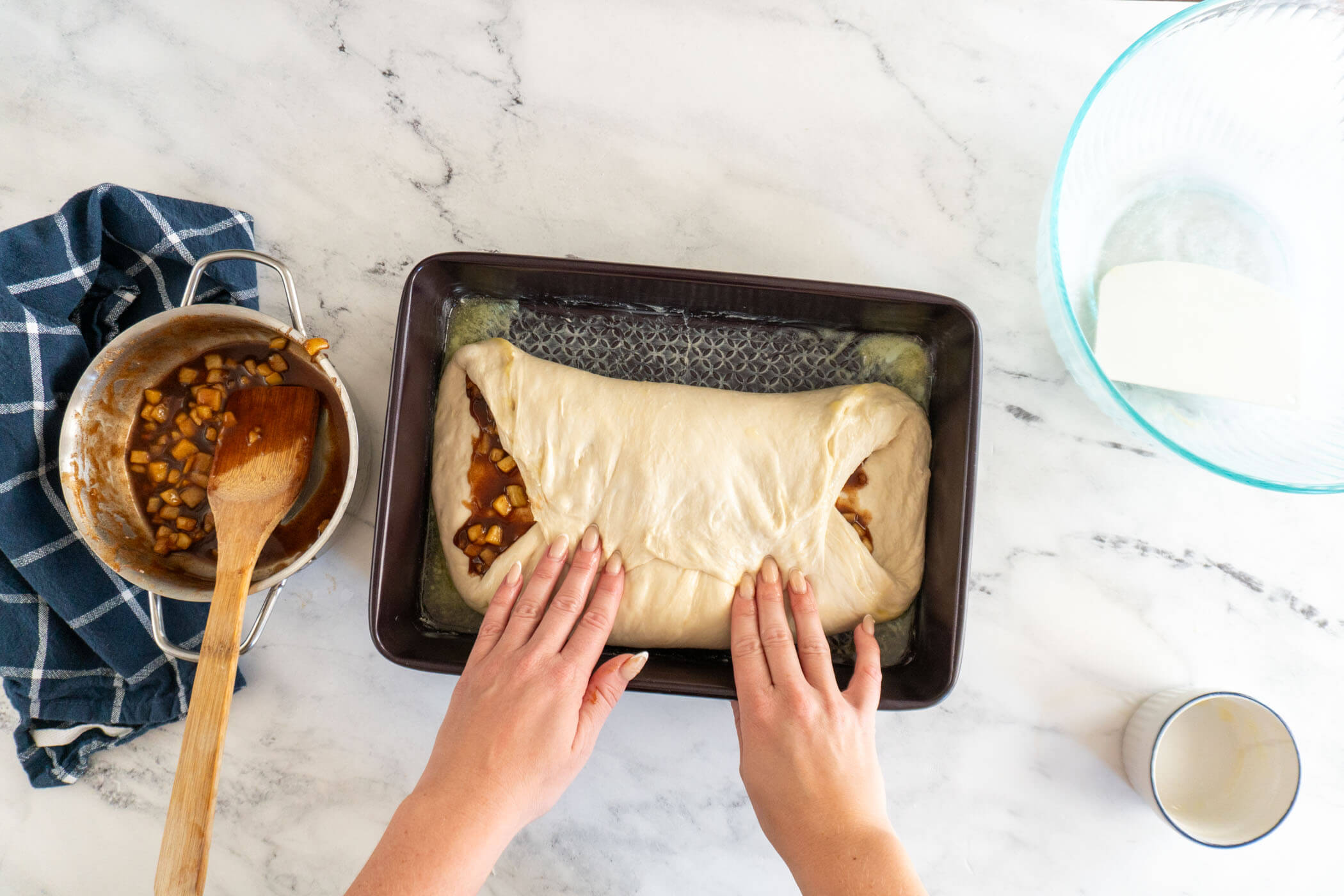
- Step 17: Fold in all 4 sides, long sides first, then short, to create a rough rectangular envelope. Flip the focaccia dough over so the seam side is down.
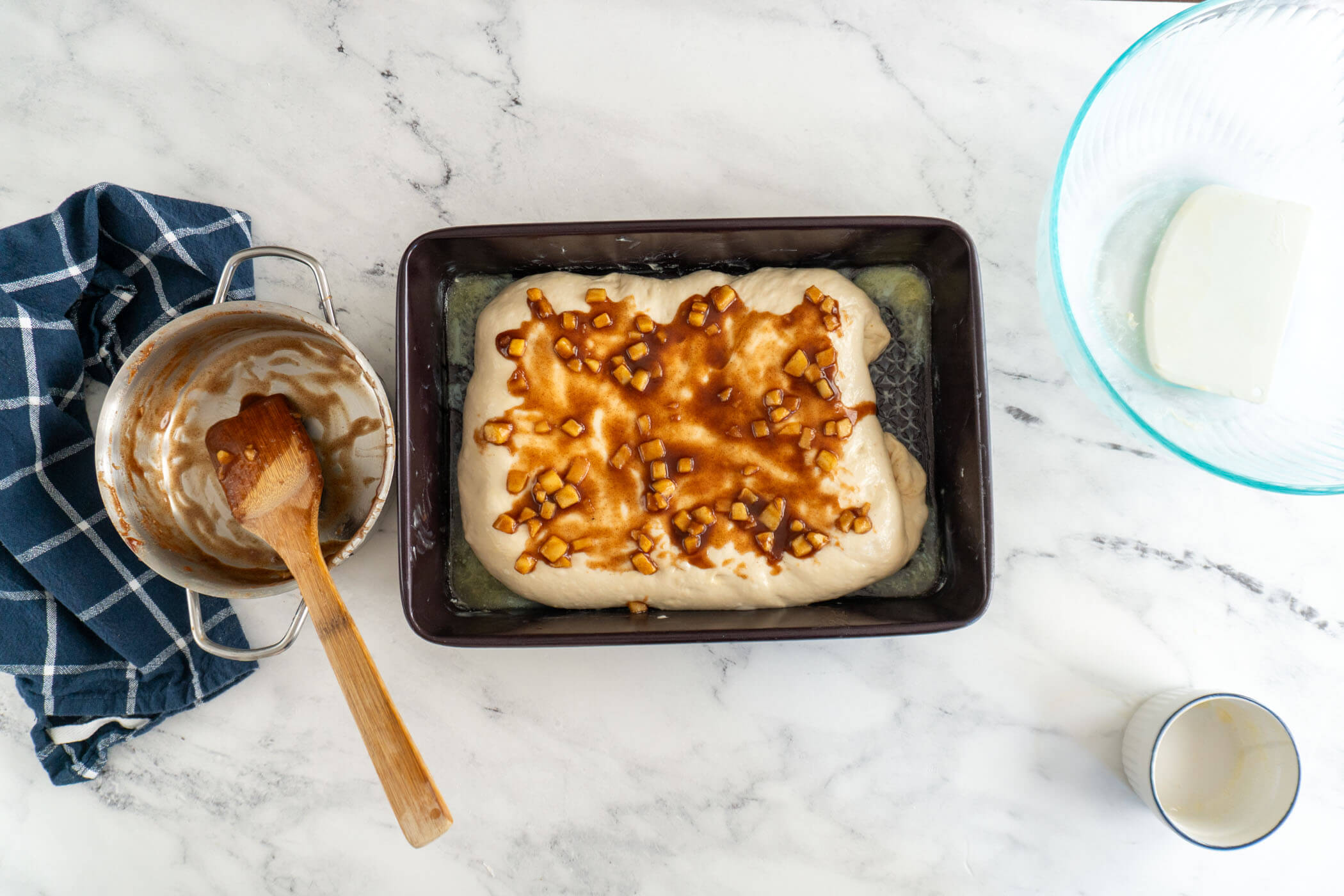
- Step 18: Spread the remaining filling on top of the dough, cover the baking dish with plastic wrap and set aside to prove until nearly doubled, usually 2-3 hours.
- Step 19: From here you can either bake right away or place in the fridge to cold retard for up to 2 days.
Love focaccia? Try my savory sourdough focaccia!
Bake:
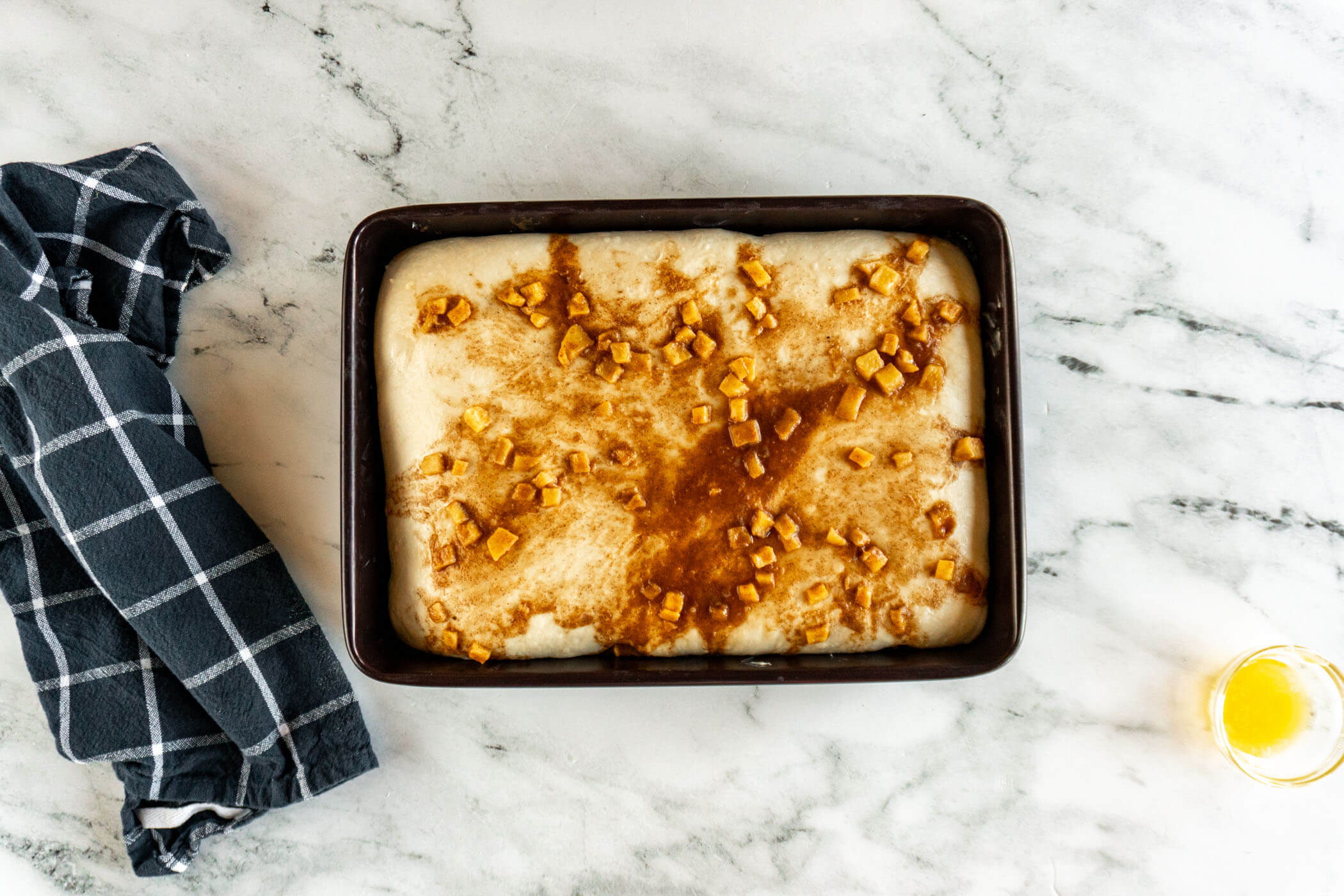
- Step 20: Melt 15g of butter and use that to oil your fingers, drizzle the rest along the surface of the focaccia.
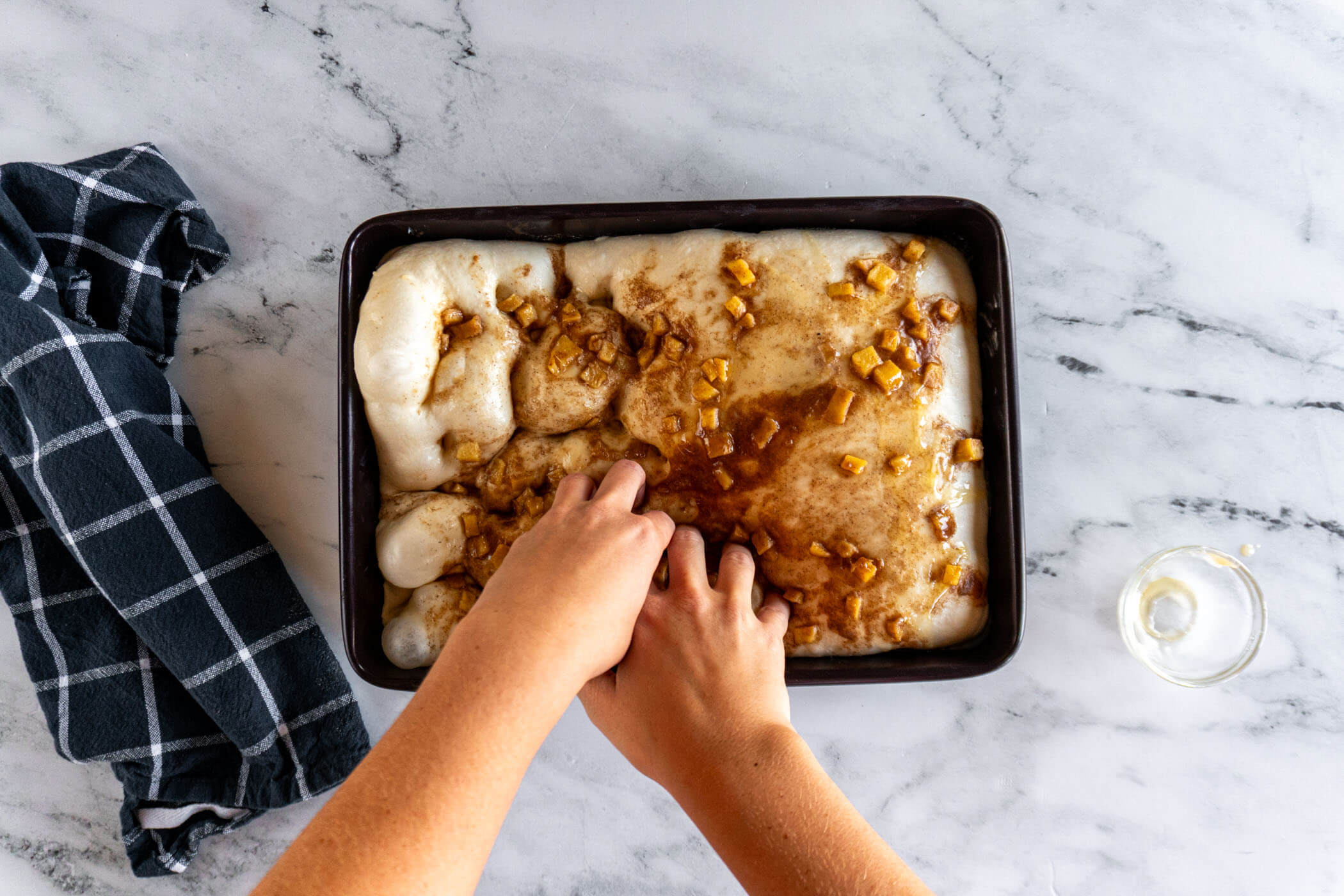
- Step 21: Using your fingers, dimple the surface of the apple fritter focaccia. I like to press down firmly and jiggle my hands a little bit. Start at one side and work your way across. Use your fingers to stretch the dough to fit the pan if it hasn't spread out completely.
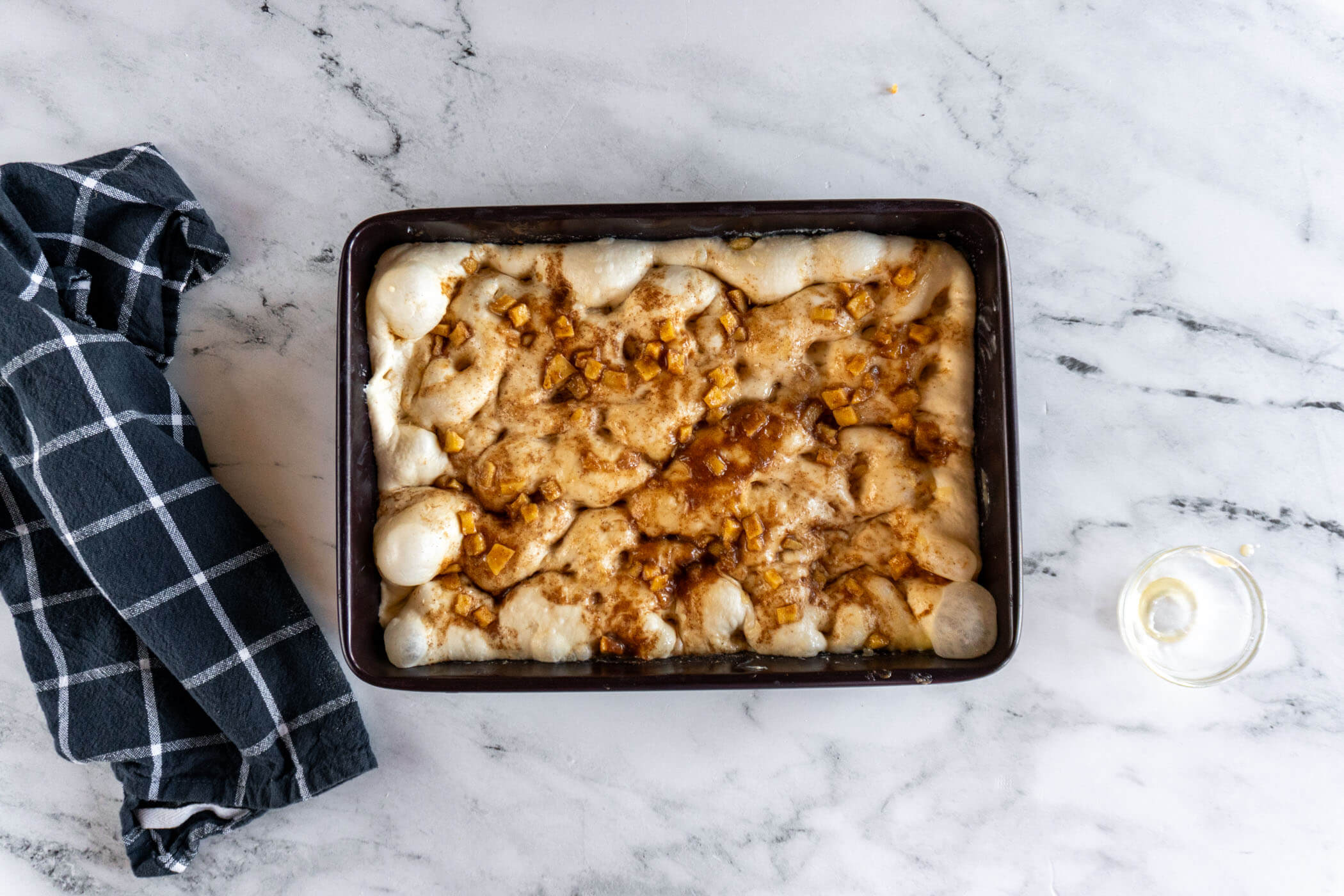
- Step 22: Preheat the oven to 425f, and allow the dough to rest while the oven is preheating.
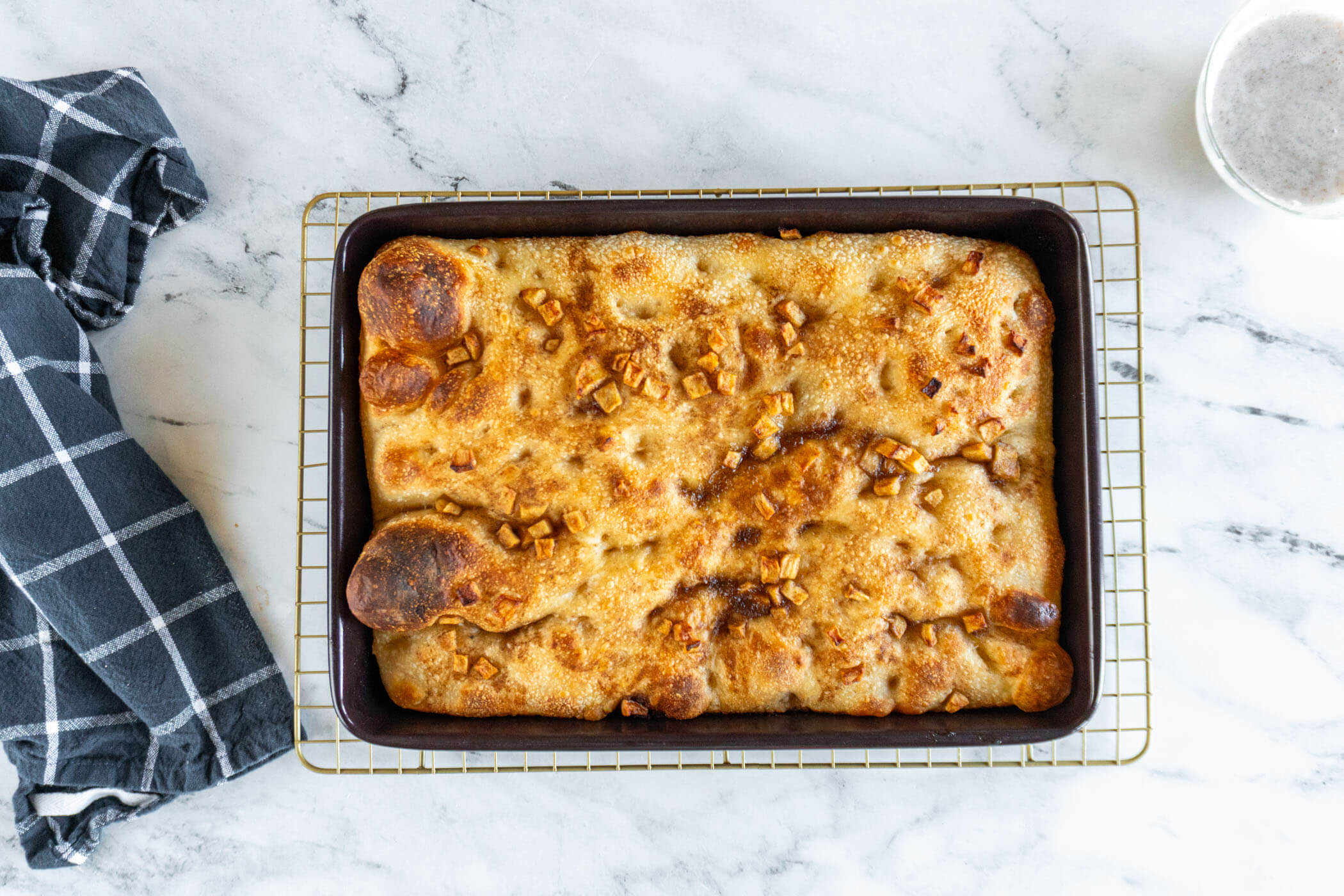
- Step 23: Once the oven reaches temperature, bake your focaccia at 425f for 25-30 minutes, or until golden brown. You can check the doneness with a thermometer, the internal temperature should be around 200f.
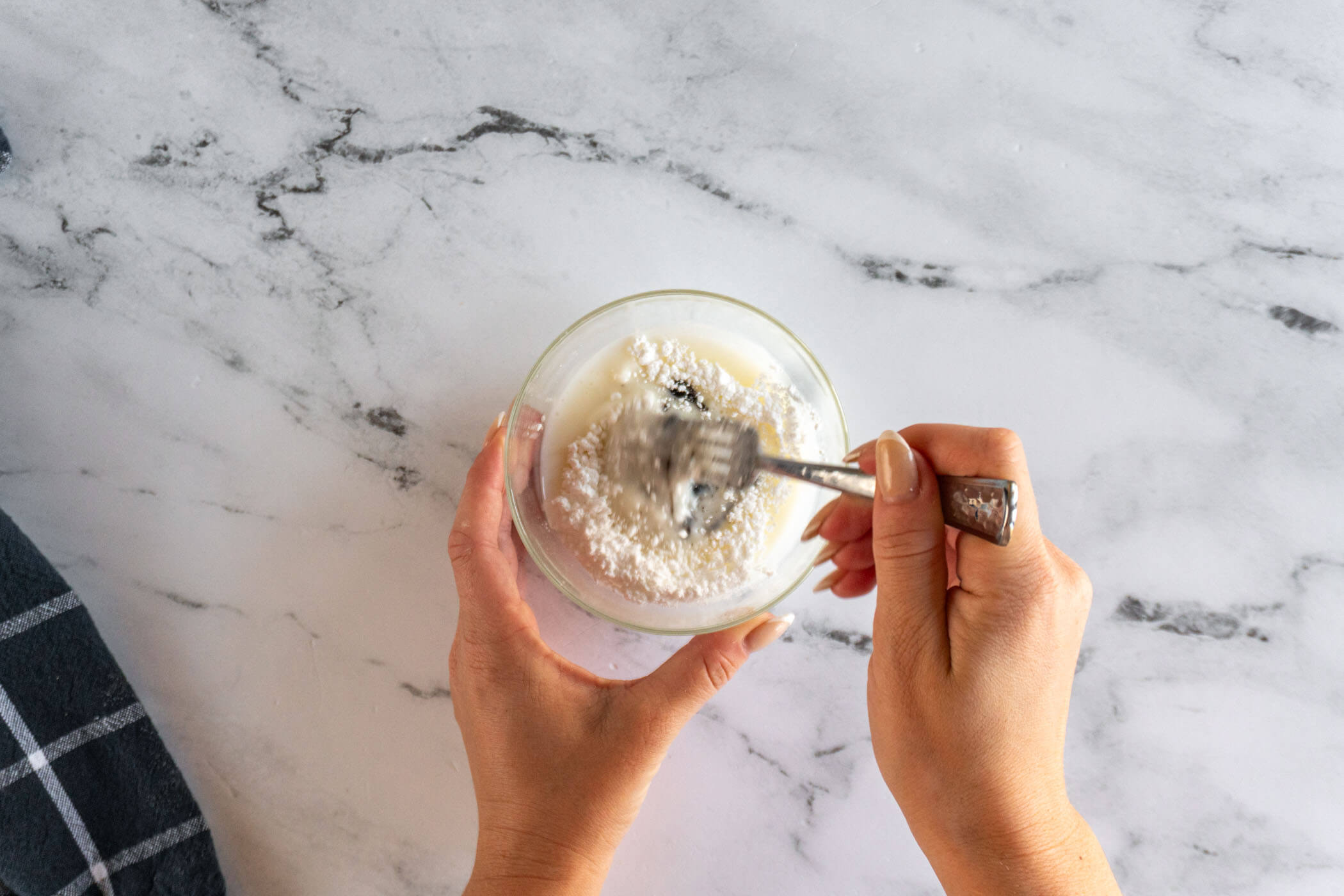
- Step 24: Allow the focaccia to cool in the pan for at least 10 minutes before removing and transferring to a wire rack. Meanwhile, make the glaze by whisking together 125g powdered sugar, 30g half and half cream, 5g vanilla paste, and a pinch of salt.
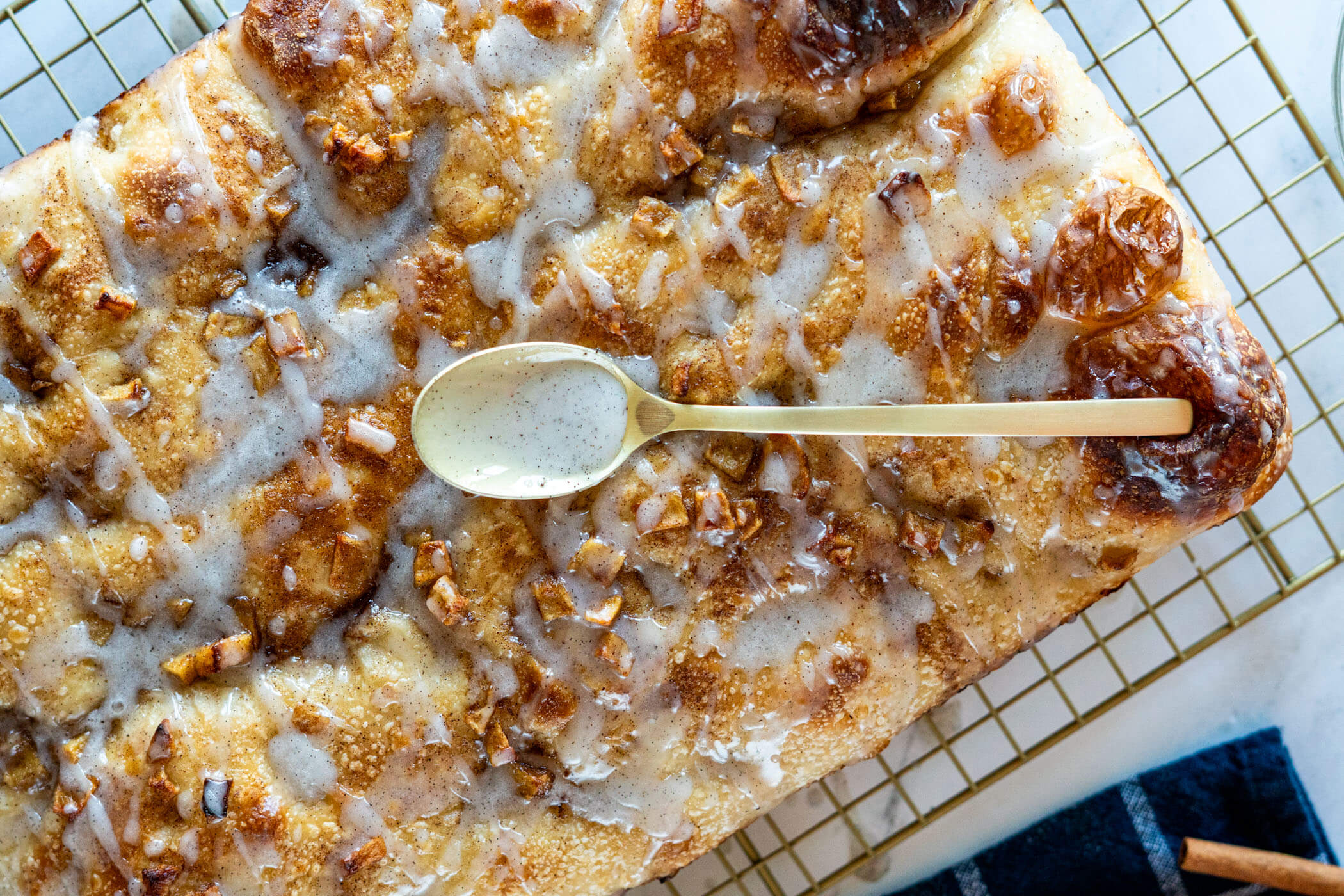
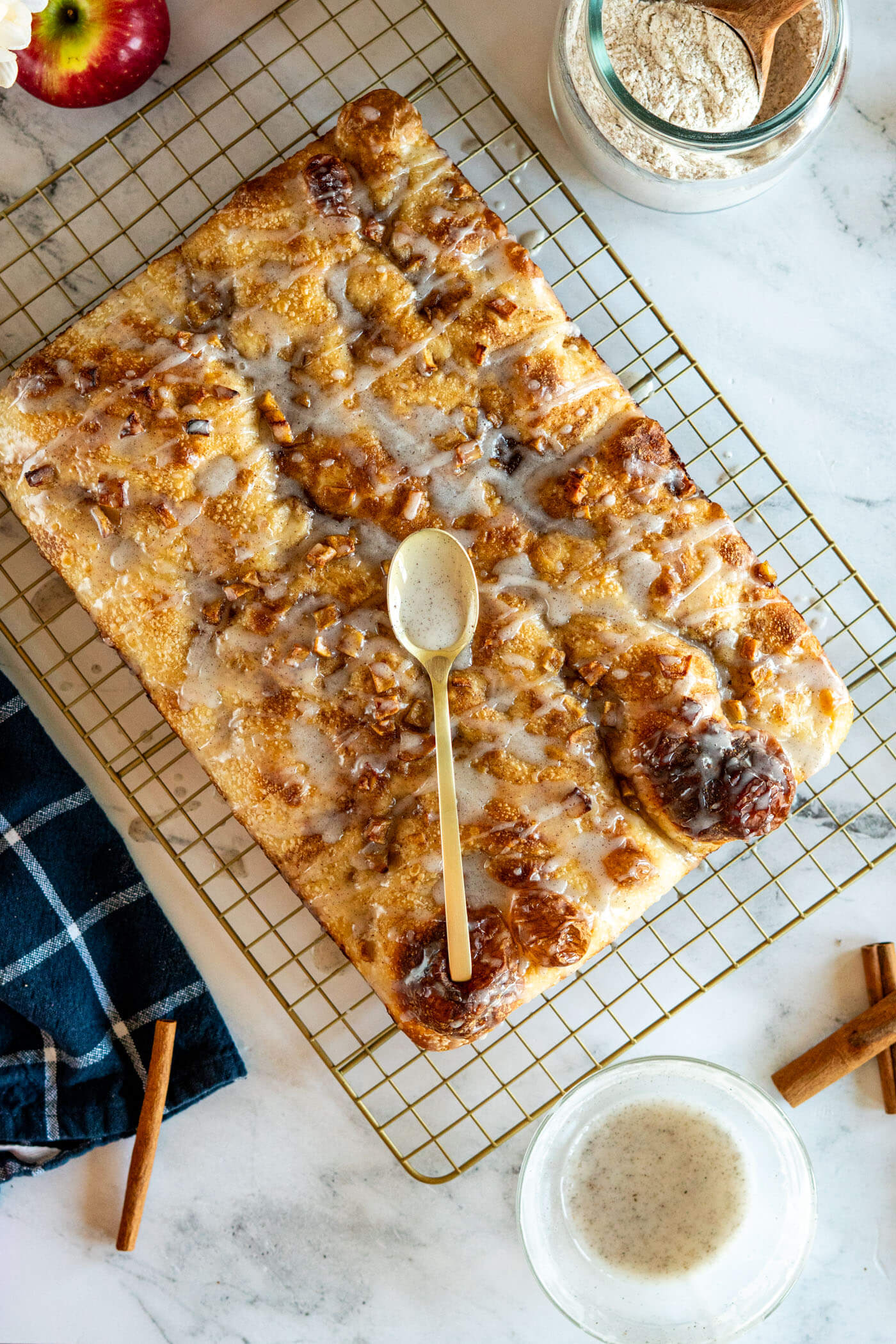
- Step 25: Once focaccia is on a cooling rack, drizzle glaze evenly over the whole loaf and enjoy warm!
Expert Tips
- Focaccia dough is a high hydration dough which means it behaves a lot differently than other dough recipes you’re likely used to. It’s soft and won’t be able to be kneaded in the traditional sense. This is totally normal! If the dough is sticking to your hands, you can try oiling or dampening your hands before handling.
- The proofing times I’ve used are based on a temperature between 77 and 80f. If your home is cooler, it will defintely take longer. It’s spring right now in Alberta, so my home is much cooler, but I keep my dough warm in my Brod + Taylor Bread Proofer.
Sourdough Apple Fritter Focaccia FAQs
Yes, but bread flour is recommended for the best texture. Bread flour has a higher protein content, which helps develop stronger gluten structure in high-hydration sourdough focaccia recipes. This results in a chewier crumb and better rise.
If you use all-purpose flour, the focaccia will still work, but it may spread more and feel slightly softer and less airy.
This is completely normal. Focaccia is a high-hydration dough, meaning it contains more water than typical bread dough. This extra moisture is what creates the soft, pillowy crumb and airy structure.
Instead of adding more flour, lightly oil or butter your hands when handling the dough to prevent sticking.
Short-term
Store the focaccia at room temperature in an airtight container or wrapped tightly in beeswax wrap or plastic wrap. Because it contains fruit, it's best eaten within a day or two.
Freezing Whole:
To freeze, wrap the loaf tightly in plastic wrap, then again in aluminum foil to prevent freezer burn. Freeze for up to 3 months. When you're ready to enjoy it, let the loaf thaw at room temperature for a few hours, no need to unwrap it until it's fully defrosted.
Freezing Slices:
For easy, grab-and-go portions, slice the cooled focaccia and lay the slices in a single layer on a parchment lined baking sheet. Freeze until solid, then transfer to a freezer-safe bag or container. This way, you can pull out just what you need. Thaw at room temperature and you're good to go!
Honeycrisp apples are ideal because they hold their shape during baking and offer a perfect sweet-tart balance. Other great options include Granny Smith for more tartness, Fuji for extra sweetness, or Pink Lady for a well-rounded flavor. Avoid apples that break down easily like McIntosh or Red Delicious.
Why This Recipe Works
Hydration level adjusted for toppings. At ~67% hydration, this focaccia dough has enough moisture to develop an airy, open crumb with large pockets, without being compromised by the added apples and sugar.
Your sourdough starter does double duty. Beyond just leavening the dough, the active starter brings a subtle tang that balances all that sweetness from the apples and glaze. It’s what makes this taste complex rather than one-note sweet.
Butter over olive oil changes everything. Traditional focaccia gets its golden crust from olive oil, but swapping in butter for this sweet version gives you a rich, almost pastry-like quality while still getting those crispy, caramelized edges we’re after.
The apple filling technique is key. Spreading half the filling before folding and half after means you get apple-cinnamon flavor layered throughout the bread, not just sitting on top, giving every bit the apple fritter experience.
Those dimples aren’t just pretty. Pressing your fingers into the dough creates pockets that catch the butter and glaze, making sure every piece has maximum flavor in every bite.
More Sourdough Recipes



If you tried this Sourdough Apple Fritter Focaccia recipe or any other recipe on my blog, please leave a 🌟 star rating and let me know how it went in the comments below. Thanks for visiting!
📖 Printable Recipe
Sourdough Apple Fritter Focaccia
Ingredients
Dough Ingredients:
- 450 g water, room temp
- 125 g active sourdough starter
- 30 g raw honey
- 675 g bread flour
- 12 g coarse sea salt
- 60 g unsalted butter, divided
Apple Fritter Filling:
- 15 g unsalted butter
- 12 g granulated sugar
- 8 g bread flour
- 1 large apple, Honeycrisp
- 75 g brown sugar
- 2 g ground cinnamon
- 2 g coarse sea salt
Glaze:
- 125 g powdered sugar
- 30 g milk
- 5 g vanilla paste
- pinch coarse sea salt
Instructions
Make The Dough:
- In the bowl of your stand mixer, combine 450g water with 125g active sourdough starter and 30g raw honey. Run the mixer for a few seconds to combine, the starter doesn't need to be completely dissolved, just reasonably dispersed in the water.
- Add 675g bread flour and 12g coarse sea salt. Knead with your mixer for 5-7 minutes on low speed. It will take a while to come together, and it will be a wet dough, but it should pull away from the sides of the bowl and stick to the dough hook or roller.
- Cover the mixing bowl and set aside for 30 minutes.
Stretch + Fold:
- After 30 minutes, uncover the bowl, and perform a set of stretch and folds; grab the dough and gently pull it until the flap is long enough to fold over itself, then fold the flap, rotate the bowl 90 degrees, and repeat 3 more times, this is considered a set of stretch and folds. Recover the bowl, and rest for 30 minutes
- Repeat the stretch and fold process for a total of 3 sets of stretch and folds each followed by a 30 minute rest over 90 minutes.After the final stretch and fold, brush a large bowl with butter, and place the dough into the bowl for the bulk fermentation.
Bulk Ferment:
- Place the dough somewhere warm to rise. Bulk ferment the dough until it has nearly doubled, usually 3-4 hours, depending on the temperature in your home. Meanwhile, make the apple fritter filling.
Make The Fritter Filling:
- Add 15g butter to a small sauce pan and melt over medium low heat. Whisk 12g granulated sugar and 8g bread flour into the butter and cook until thickened.
- Peel and dice 1 large apple, then add the diced apple, 75g brown sugar, 2g cinnamon, and 2g coarse sea salt to the saucepan. Cook the mixture over medium low heat until thickened and the apples are slightly softened. Remove from heat and allow to cool at room temperature until shaping.
Shape + Prove:
- Once the dough has completed the bulk ferment, pour 30g of melted butter into a greased 9×13 pan. Pour another 15g of melted butter on top of the dough.
- Use a bowl scraper to turn the dough out into the buttered baking dish.Gently press the dough out into a rough rectangle to cover most of the pan. Then spread half the apple filling along the surface of the dough.
- Fold in all 4 sides, long sides first, then short, to create a rough rectangular envelope. Flip the focaccia dough over so the seam side is down. Spread the remaining filling on top of the dough, cover the baking dish with plastic wrap and set aside to prove until nearly doubled, usually 2-3 hours.From here you can either bake right away or place in the fridge to cold retard for up to 2 days.
Bake:
- Melt 15g of butter, and use that to oil your fingers, drizzle the rest along the surface of the focaccia. Using your fingers, dimple the surface of the apple fritter focaccia. I like to press down firmly and jiggle my hands a little bit. Start at one side and work your way across. Use your fingers to stretch the dough to fit the pan if it hasn't spread out completely.
- Preheat the oven to 425f, and allow the dough to rest while the oven is preheating. Once the oven reaches temperature, bake your focaccia at 425f for 25-30 minutes, or until golden brown. You can check the doneness with a thermometer, the internal temperature should be around 200f.
- Allow the focaccia to cool in the pan for at least 10 minutes before removing and transferring to a wire rack. Meanwhile, make the glaze by whisking together 150g powdered sugar, 30g half and half cream, 5g vanilla paste, and a pinch of salt.
- Once focaccia is on a cooling rack, drizzle glaze evenly over the whole loaf and enjoy warm!
Notes
- Focaccia dough is a high hydration dough which means it behaves a lot differently than other dough recipes you’re likely used to. It’s soft and won’t be able to be kneaded in the traditional sense. This is totally normal! If the dough is sticking to your hands, you can try oiling or dampening your hands before handling.
- The proofing times I’ve used are based on a temperature between 77 and 80f. If your home is cooler, it will defintely take longer.
- Short-term: Store the focaccia at room temperature in an airtight container or wrapped tightly in beeswax wrap or plastic wrap. Because it contains fruit, it's best eaten within a day or two to avoid sogginess.
- Freezing Whole: To freeze, wrap the loaf tightly in plastic wrap, then again in aluminum foil to prevent freezer burn. Freeze for up to 3 months. When you're ready to enjoy it, let the loaf thaw at room temperature for a few hours, no need to unwrap it until it's fully defrosted.
- Freezing Slices: For easy, grab-and-go portions, slice the cooled focaccia and lay the slices in a single layer on a parchment lined baking sheet. Freeze until solid, then transfer to a freezer-safe bag or container. This way, you can pull out just what you need. Thaw at room temperature and you're good to go!




I absolutely loved this recipe. I made a double batch for work and everyone loved it!
As a busy mom of three, I didn’t have time to make the apple filling so I used apple pie filling that I had made previously and frozen. It turned out great! The dough was really wet but I went with Ally’s instructions and didn’t add more flour. The texture is beautiful. I had it in the fridge for a day and a half before cooking and it was good.
OH what a great idea! Love that!